


















Unveiling the True Chester Arthur and His Connection to James Garfield

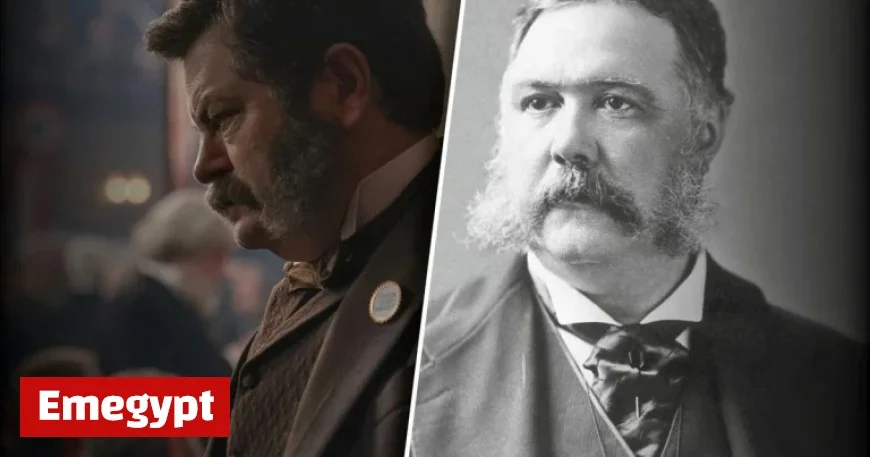
Chester A. Arthur’s presidency was shaped by the tragic assassination of his predecessor, James Garfield, in 1881. Few anticipated that Arthur, the former vice president, would navigate the ensuing political crisis successfully. Widely regarded as a New York Republican bureaucrat, Arthur faced skepticism from the public at large. However, his ascension to the presidency marked a turning point in his political journey.
Chester Arthur’s Background and Rise
Born on October 5, 1829, in Fairfield, Vermont, Chester Alan Arthur was one of nine children. His father, Reverend William Arthur, was an Irish Baptist minister, while his mother, Malvina Stone Arthur, hailed from a New England farming family. Arthur graduated from Union College in Schenectady, New York, in 1848 and began his career as a lawyer.
- Birth Date: October 5, 1829
- Birthplace: Fairfield, Vermont
- Education: Union College, 1848
In 1855, Arthur gained recognition for representing Elizabeth Jennings, a Black schoolteacher, in a landmark civil rights case, ending racial segregation on New York’s public transit. His legal career led him into politics, where he built connections within the Republican Party.
The Republican Party and the Civil War
During the American Civil War, Arthur supported the Union cause as Quartermaster General for New York. His effective management earned him a strong reputation and facilitated his rise within the Stalwart faction of the Republican Party, led by Senator Roscoe Conkling. By 1871, Arthur was appointed Collector of the Port of New York, a significant position in federal politics.
Becoming Vice President
The Republican Party faced divisions in 1880, with Stalwarts favoring Ulysses S. Grant’s return and reformers backing James Blaine. The accepting of a compromise led to James Garfield’s nomination for president, with Arthur chosen as his running mate. The Garfield-Arthur ticket narrowly secured victory against the Democrat Winfield Scott Hancock.
Complex Relationship with Garfield
Despite their political alliance, Arthur and Garfield had conflicting views. Garfield aimed to reform the party, while Arthur was entrenched in the existing patronage system. Tensions escalated when Garfield attempted to appoint a Half-Breed reformer as the Collector of the Port of New York. Arthur’s support for protests against this nomination alienated him from Garfield.
The Assassination of James Garfield
On July 2, 1881, Garfield was shot by Charles Guiteau—a frustrated political office seeker—at a railway station. Guiteau shouted that Arthur would now become president. Arthur, despite having no connection to the assassin, faced public suspicion and hostility.
Garfield succumbed to his wounds on September 19, 1881. Arthur was sworn in as the 21st President of the United States the following morning. Entering office amid skepticism, he quickly sought to earn public trust.
Arthur’s Presidency and Reforms
Arthur’s administration marked a shift towards moderation and reform. He signed the Pendleton Civil Service Reform Act in 1883, which introduced competitive exams for federal jobs, paving the way for a more professional civil service. His efforts signified his commitment to reform, even though he was initially a proponent of the spoils system.
Other Notable Actions
- Rebuilt the US Navy by authorizing new steel warships.
- Renovated the White House to enhance its stature.
- Vetoed an early version of the Chinese Exclusion Act, maintaining treaty obligations.
Arthur’s presidency, characterized by fewer scandals, enhanced public confidence in government. However, his health declined due to Bright’s disease, which affected his political effectiveness.
Decline and Legacy
By 1884, Arthur chose not to seek re-nomination amid waning support. The Republican Party selected James G. Blaine, who ultimately lost to Grover Cleveland in the election. Arthur returned to New York City, quietly living until his death on November 18, 1886, at the age of 57.
Despite his initial skepticism, many recognized Arthur’s integrity and efforts to restore trust in the presidency. The complexities of his relationship with Garfield and his subsequent efforts to unite the party make Chester Arthur a notable figure in American history.