



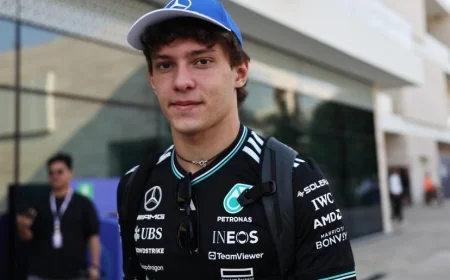










Kimi Antonelli’s Qatar Grand Prix: Late-lap slip, sprint penalty, and an apology-fueled storm as Mercedes rookie weathers F1 Qatar scrutiny

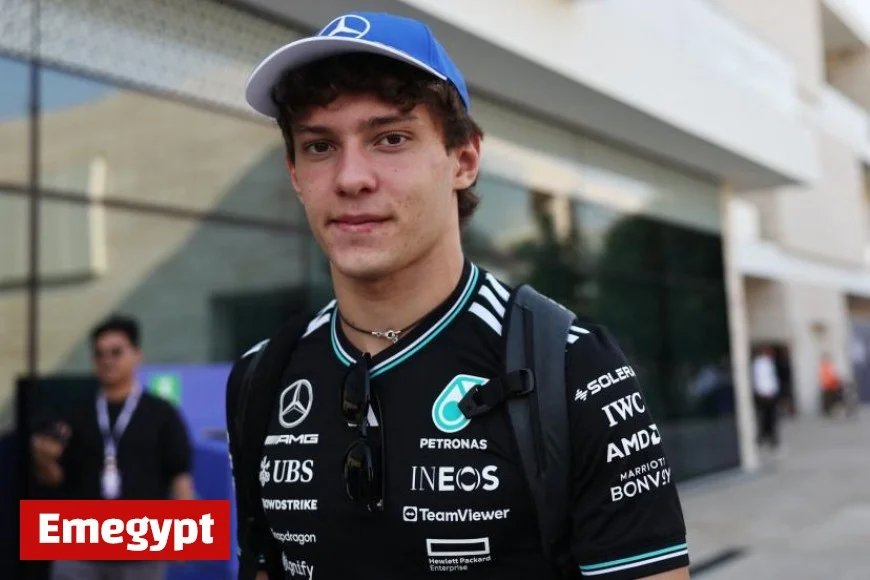
A turbulent weekend at the F1 Qatar Grand Prix put Andrea Kimi Antonelli at the center of the title fight narrative, even if unintentionally. The Mercedes teenager combined eye-catching pace with rookie bruises: a five-second sprint penalty for repeated track-limits breaches, a late mistake that let Lando Norris past in the race, and a swirl of post-race claims that triggered online abuse before being publicly walked back. With the championship heading into its finale, the Kimi Antonelli Qatar storyline now stretches beyond lap times to include composure under pressure and how quickly a narrative can turn in modern Formula 1.
Kimi Antonelli at the Qatar Grand Prix: promise, penalty, and pressure
For much of the F1 Qatar weekend, Kimi Antonelli looked assured in the Mercedes, continuing a recent run of competitive form. The rookie’s Saturday sprint, however, ended with a five-second time penalty for track-limits violations, a reminder of how unforgiving the Lusail layout can be when tyres fade and wind gusts push the car wide. The sanction shuffled Antonelli’s sprint result and trimmed Mercedes’ small-margin gains heading into Sunday.
In the Grand Prix, the Italian managed tyre phases well and kept himself in the points mix. The flashpoint came late: while chasing in turbulent air, Antonelli suffered a momentary snap that compromised exit speed and opened the door for Norris. The overtake stood, and with it the title arithmetic shifted by a couple of points—small on paper, potentially decisive by season’s end. Antonelli owned the mistake in the media pen, framing it as part of the steep learning curve that every rookie faces at this level.
Red Bull apologizes after claims spark backlash
What might have remained a routine on-track footnote quickly escalated. Comments from within a rival camp accused Antonelli of “moving aside” for Norris—an assertion that spread rapidly and fueled a wave of online abuse aimed at the Mercedes youngster. Subsequent review and cooler heads prevailed, with the original claims acknowledged as incorrect and a formal expression of regret issued. Mercedes leadership condemned the insinuations as baseless, and the episode served as a sobering snapshot of how quickly narratives can harden around a rookie during a high-stakes F1 Qatar weekend.
The human toll wasn’t abstract. Antonelli, 19, absorbed the storm in real time on social platforms, a tough test of resilience for any athlete—let alone one in his first season. The apology helped draw a line under the controversy, but the incident will linger as a cautionary tale about the responsibility that comes with post-race commentary.
Why the Antonelli–Norris moment matters for the title picture
In isolation, a late overtake for a handful of points is standard fare. In context, it mattered. The Qatar Grand Prix has become a pivot point for the drivers’ championship, with every incremental position now reshaping the gap heading into Abu Dhabi. Norris’s extra points haul, enabled by Antonelli’s small error, applied pressure where it hurts most: momentum and mindset. That doesn’t make Antonelli the protagonist of the title race, but it does underline how rookies can influence the championship without being in it—especially on abrasive, wind-swept circuits that punish even minor misjudgments.
Mercedes takeaways: pace trends and rookie development
For Mercedes, the Kimi Antonelli Qatar weekend still offered green shoots. Race pace held up reasonably well in clean air, pit work was tidy, and setup direction seems less volatile than earlier in the campaign. The rookie’s management of tyre life across stints suggests growing confidence with balance shifts as the track cools and rubber stabilizes—vital traits at venues like Lusail.
The flip side is execution under peak turbulence. Antonelli’s late-race snap in dirty air will inform simulator drills and next-event prep: brake migration fine-tuning for yaw spikes, differential settings to steady rotation mid-corner, and lift-point discipline when the front washes out unexpectedly. Track-limits discipline from the sprint will also be emphasized, particularly for sequences where slight line creep snowballs into automatic warnings.
F1 Qatar in the wider rookie arc
Zoom out, and the Andrea Kimi Antonelli story remains broadly positive. He has already banked standout results this season, sparred credibly with seasoned peers, and shown the trademark racecraft that propelled him through the junior ranks. Qatar was a reminder that rookie seasons are jagged, not linear: a weekend can contain both the craft that earns you a long-term seat at Mercedes and the sting that keeps you grounded.
What matters now is the reset. With the season finale looming, Antonelli’s goal is simple: cut out the small errors that flip positions late, keep the radio calm when the car ahead starts to slide, and let the Mercedes’ improving baseline do the heavy lifting. If he does, this Qatar Grand Prix will fade into the background as a formative chapter rather than a defining one.
What’s next for Antonelli and Mercedes after the Qatar Grand Prix
-
Simulator focus: dirty-air stability, brake-by-wire maps for late-stint tyre drop, and consistent kerb usage to avoid track-limits traps.
-
Race-day execution: sharpen out-lap aggression after stops without over-rotating on used tyres; maintain defensive positioning cues in DRS trains.
-
Mindset: treat the online fallout as noise, not data; keep communication channels tight and factual through the Abu Dhabi weekend.
Kimi Antonelli left the F1 Qatar Grand Prix with bruises on the results sheet and lessons in the notebook. That’s still progress. And for Mercedes, a rookie absorbing and acting on hard lessons this quickly is exactly how a long-term bet starts paying off.