















Possible Resolution in Sight for Ongoing Government Shutdown

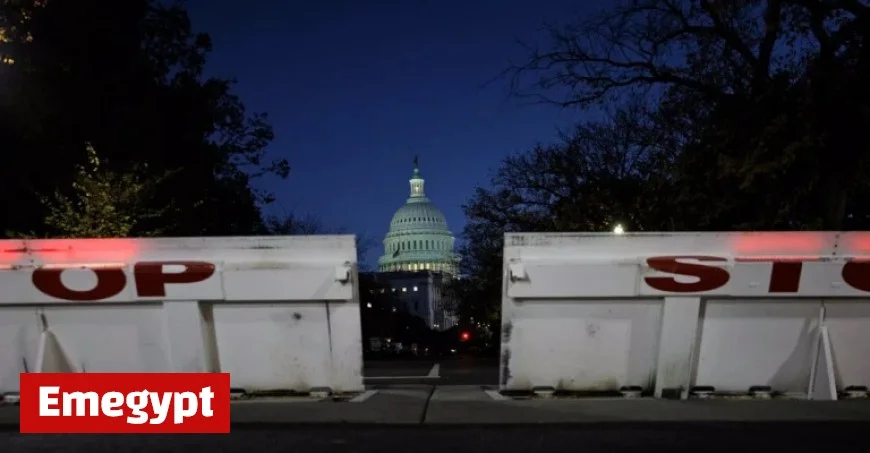
The recent electoral victories by Democrats have prompted discussions regarding a possible resolution to the ongoing government shutdown. On election night, several Democratic senators engaged in talks about a bipartisan settlement, as Republican leaders expressed optimism that moderate lawmakers would find the political cover needed to reopen the government. President Donald Trump had laid the blame for the shutdown, currently the longest in U.S. history, on Democrats, predicting they would face political repercussions.
Shifting Political Landscape
The results from key states—Virginia, New Jersey, and Georgia—revealed a significant rejection of Trump and his policies. This shift has forced both parties to reevaluate their strategies concerning the shutdown. Democratic leaders, feeling empowered after gaining voter support, led discussions emphasizing the importance of holding firm on their original budgetary demands, which include extending health-care subsidies for millions.
Strengthening Democratic Resolve
Senator Chris Murphy of Connecticut stressed the importance of maintaining a strong stance. He argued that compromising now would undermine the political momentum gained from the election results, which indicated that voters appreciate when Democrats assert their beliefs. Murphy mentioned the risk of capitulating to Trump and the significant long-term implications for democracy this could entail.
- Senate Democrats held a meeting to gauge party unity.
- Polling data showed bipartisan support for health-care cost reduction over ending the shutdown.
Despite internal disagreements, the Democratic caucus came out of the meeting unified, albeit vague about next steps. The election results reinforced the polling indicating a strong public preference for prioritizing health-care issues.
Republican Response to Election Defeats
Trump’s perception of the elections as a political setback has added weight to Democratic negotiating power. An anonymous Trump aide revealed the president’s frustration over the losses, marking them as significant in his second term. Trump publicly acknowledged that the shutdown had negatively affected Republican positions in the election.
In addition to Trump’s comments, Senate Majority Leader John Thune indicated that removing the filibuster was not feasible, defying Trump’s calls to end it. This scenario reflects a broader disconnect between the presidency and congressional Republicans, particularly in relation to the shutdown crisis.
Impact of the Shutdown on Americans
The ongoing government shutdown bears serious consequences for many Americans. Food banks and nonprofit organizations are experiencing resource shortages as critical food-stamp benefits were not distributed as scheduled on November 1. Military personnel are facing their first unpaid paychecks next week.
Transportation Secretary Sean Duffy warned that staff shortages would affect airspace, leading to partial closures at major airports like Hartsfield-Jackson Atlanta International and Dallas-Fort Worth International. The negative impact on federal employees and essential services has been described as an “act of self-immolation,” according to Max Stier, president of the Partnership for Public Service.
As negotiations continue, the prospect of resolving the government shutdown appears increasingly challenging. Both parties must navigate their political realities while addressing the urgent needs of their constituents.