
















Samarkand Peace Ambassadors Lead the Way in Conflict Resolution

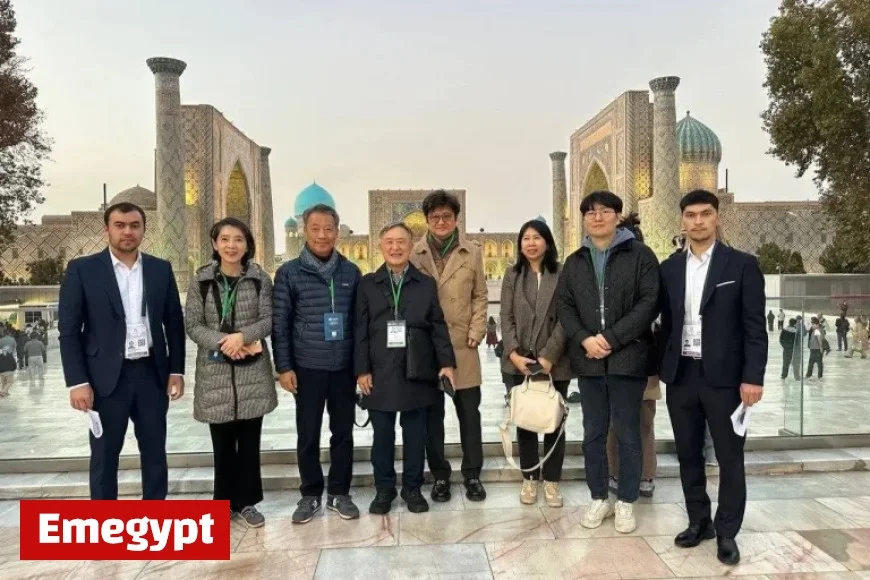
In a remarkable display of global unity, the Samarkand State Institute of Foreign Languages (SamISI) played a vital role during the 43rd session of the UNESCO General Conference. This autumn, Samarkand emerged as a melting pot of cultures and languages, showcasing a diverse array that included English, French, Arabic, Chinese, and Russian.
Samarkand’s Youth as Peace Ambassadors
Among the attendees were over 400 dedicated volunteers and translators from SamISI. These young individuals embodied the spirit of friendship, respect, and cooperation, serving as essential conduits of communication. They welcomed delegates at the airport and assisted guests in various capacities, including meeting halls, forums, and cultural events.
The Role of Volunteers
- Translated speeches and discussions for seamless communication.
- Provided logistical support to ensure the smooth flow of the conference.
- Built bridges of understanding through their language skills.
Diyora Karimova, a volunteer and first-year student at the Faculty of Romano-Germanic Languages, expressed the meaningful essence of their work: “We felt ourselves not just translators, but mediators between cultures.” This perspective highlights the significance of mutual understanding in conflict resolution.
The Essence of UNESCO
UNESCO promotes the belief that peace is fostered through education and cultural exchange. SamISI students do not merely grasp this concept in lectures; they actively practice it through real-life experiences. Learning a language transcends grammar; it encompasses the ability to hear and understand others, viewing cultural differences as assets.
Language as a Tool for Trust
When a young linguist translates for an African delegate or assists a French journalist, it nurtures trust between nations. This interaction embodies UNESCO’s mission of cultivating peace in the minds of people.
The Necessity of Language Education
Today, multilingualism is essential. As global boundaries become blurred, the ability to communicate across cultures is crucial for fostering international dialogue. According to SamISI staff, participation in global initiatives helps students appreciate the practical values of their language studies.
Contributions to Global Dialogue
- Translation fosters intercultural communication.
- Volunteering enhances educational experiences.
- Promotes the idea of international collaboration.
Samarkand, with its rich history of cultural intersections, continues to symbolize the convergence of civilizations. Once the meeting place for merchants and sages, it now serves as a hub for young linguists and educators. U.U. Sattarov, Dean of Romance-Germanic Philology at SamSMTI, emphasized, “When our students translate, they create a space where there are no outsiders. There are only people who seek to understand each other.”
This idea reflects the vision of a harmonious world, where dialogue and understanding pave the way for lasting peace. With such initiatives, Samarkand is poised to strengthen its role as a beacon of cultural exchange and mutual respect, fulfilling the ideals set forth by UNESCO.