

















Discover Five Key Moves Sir Alex Ferguson Made During His Debut Season at Manchester United

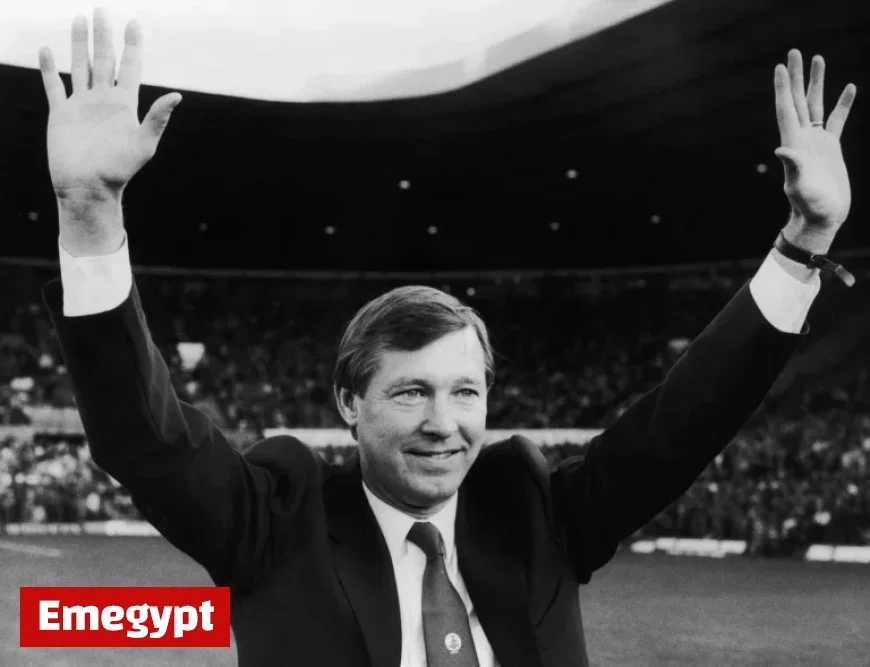
In November 1986, Manchester United made a pivotal move by appointing Sir Alex Ferguson as their manager. He replaced Ron Atkinson amid a struggling season. Ferguson’s arrival marked a significant turning point in the club’s history. His tenure eventually led to unprecedented success over 26 years, culminating in his retirement in 2013.
Five Key Moves by Sir Alex Ferguson During His Debut Season
1. Revamping Team Performance
When Ferguson took charge, Manchester United was languishing near the bottom of the First Division. They were positioned 20th during a challenging start. Under Ferguson’s guidance, the team’s performance drastically improved, ending the season in 11th place.
2. Addressing the Drinking Culture
One of Ferguson’s first actions was to confront the existing drinking culture. He established a more professional environment which significantly enhanced player fitness. This shift helped raise the standards within the club and laid the foundation for future successes.
3. Notable Victories Against Rivals
A high point of Ferguson’s season came during a Boxing Day match against Liverpool. United secured a 1-0 victory at Anfield, courtesy of Norman Whiteside’s late goal. They also triumphed at home against Liverpool, marking a memorable season rivalry.
4. Strategic Decision-Making on Signings
In a surprising move, Ferguson opted not to make any signings during his debut season. This decision allowed him to assess the existing squad’s capabilities. His first signing, defender Viv Anderson, occurred ahead of the following season.
5. Strengthening the Academy
Understanding the importance of youth development, Ferguson placed a strong emphasis on Manchester United’s academy. He brought his assistant Archie Knox from Aberdeen to support this vision. They expanded the scouting network, focusing on nurturing local talent.
Conclusion
Sir Alex Ferguson’s initial strategies at Manchester United were foundational to the club’s future success. By improving team performance, addressing player culture, achieving significant victories, making calculated decisions on transfers, and strengthening the academy, he set the stage for what would become a legendary managerial career.