


















FDA Removes Warning Label from Hormone Replacement Therapy

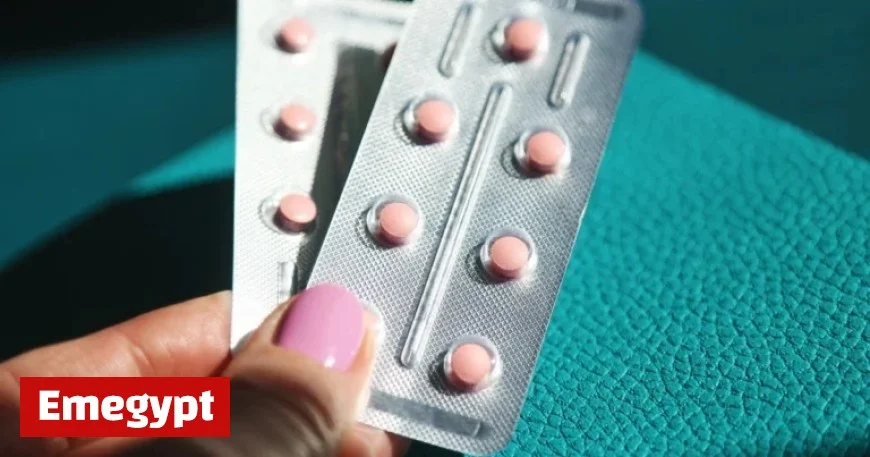
The Food and Drug Administration (FDA) has announced significant changes regarding hormone replacement therapy (HRT) for menopause. Importantly, the agency has removed the black box warning that previously highlighted serious risks such as breast cancer, heart attack, and stroke. This decision aims to encourage more women to seek effective treatment for menopausal symptoms.
FDA Decision: Removing the Black Box Warning from Hormone Replacement Therapy
FDA Commissioner Marty Makary, along with other officials, stated that the concerns leading to the warning were based on outdated scientific information. These warnings have historically dissuaded women from initiating hormone therapy.
Commonly Used Hormone Therapies
HRT is primarily prescribed to alleviate symptoms associated with menopause. These symptoms include:
- Hot flashes
- Mood swings
- Difficulties sleeping
- Urinary tract infections
- Bone fractures
- Vaginal dryness
Hormone replacement therapies include various forms such as pills, patches, gels, and creams. These medications replace hormones that decline during menopause, primarily estrogen and progesterone.
Impact of the Warning Removal
During a recent news conference, Makary emphasized the need to halt the “fear machine” that discourages women from using HRT. He reported this move follows a thorough review of the latest scientific evidence regarding hormone therapy.
The black box warning will be eliminated from products containing estrogen, progestogen, or a combination of the two. Research indicates that hormone therapy may be one of the most significant medications for improving health outcomes for older women.
Opinions from Medical Professionals
Many healthcare professionals agree that the previous warnings were unnecessary. They believe the benefits of hormone therapy largely outweigh the potential risks. Dr. MargEva Cole, an obstetrician-gynecologist, highlighted that the warning often deters patients from starting potentially life-changing treatment.
The initial black box warning was triggered by a 2002 study that raised concerns about increased risks. However, subsequent studies have shown that newer hormone therapy formulations do not pose the same level of risk.
New Recommendations and Approvals
As part of this announcement, the FDA encourages initiating hormone therapy for women younger than 60 years old or those starting within ten years of menopause. This is when symptoms typically become most severe.
The FDA also introduced new medications aimed at treating menopausal symptoms. Two newly approved drugs include a generic mixture of estrogen hormones and a nonhormonal treatment for moderate to severe hot flashes.
Real-life Impact of Hormone Therapy
Many women, like Beaux Abington from Florida, have faced challenges in accessing hormone therapy. After experiencing significant mood changes, she struggled to receive the medication despite consulting multiple doctors. Eventually, she found success at an anti-aging clinic.
Upon starting hormone therapy, Abington reported a remarkable improvement in her mood. “It was like all of the parts of my brain coming alive again,” she said, highlighting the positive effects of the treatment.
The FDA’s recent actions mark a pivotal shift in the perception and accessibility of hormone replacement therapy for menopause.