















Martin Lewis Settles the Door Open vs. Closed Energy Saving Debate Once and For All

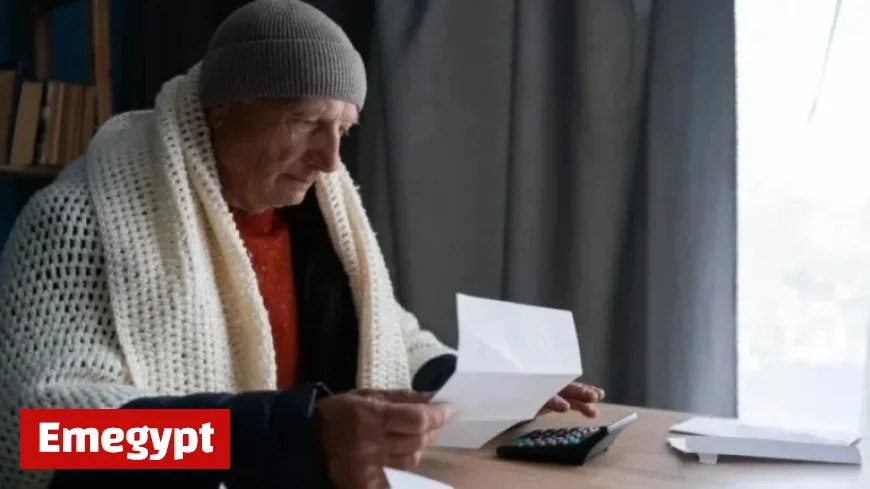
As winter approaches, many households in the UK are looking for ways to reduce their heating bills. Renowned financial expert Martin Lewis has provided crucial advice on energy efficiency, particularly regarding the treatment of internal doors during the heating season.
Closed Doors for Improved Energy Efficiency
One of the key takeaways from Lewis’s guidance is the importance of keeping internal doors closed. This practice is vital for rooms that do not require heating. By closing doors, homeowners can optimize the performance of their heating systems.
When heating systems, such as radiators or electric heaters, are in operation, closed doors help maintain a consistent temperature. Warm air naturally rises and circulates, cooling down before returning to the heat source. This cycle is effectively maintained with doors shut, preventing cold drafts from entering heated spaces.
Addressing Common Misconceptions
Lewis’s advice extends beyond door management to other energy-saving myths:
- Should I paint my radiators black? No, this does not significantly improve heat efficiency.
- Is microwaving water a cost-effective heating method? No, it is not the most efficient use of energy.
- Can cling film insulate windows effectively? Yes, it traps heat by creating an insulating layer between the film and the window.
Insights on Solar Panels
Another important aspect of Lewis’s guide is the functionality of solar panels during the winter months. Contrary to popular belief, solar panels can capture daylight effectively even on cloudy days. This means they continue to generate energy, providing a valuable resource throughout all seasons.
Lewis also examined the costs associated with using an electric fan, though this concern may diminish as temperatures drop further.
Conclusion
This comprehensive advice, informed by the Energy Saving Trust and expert insights, aims to equip UK households with the tools they need. With rising energy costs and cooler temperatures on the horizon, implementing these strategies can significantly aid in managing winter heating expenses.