


















What Would You Do as Chancellor: Share Your Ideas and Solutions

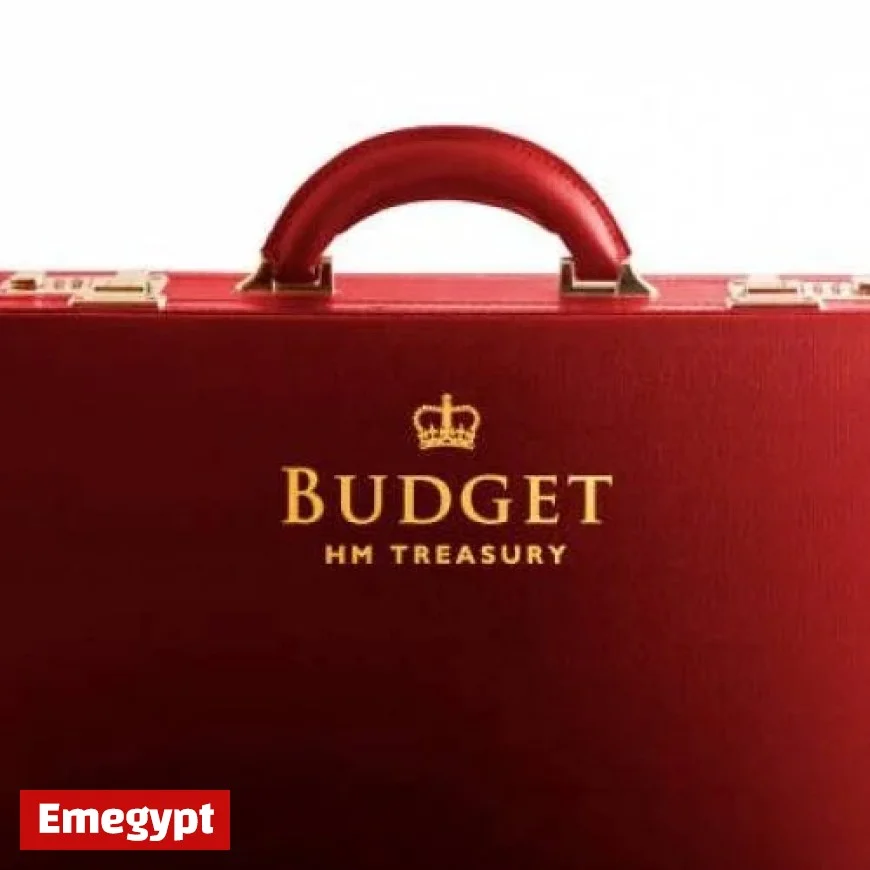
The upcoming Budget presents a significant challenge for the UK’s fiscal future. With limited growth, increasing pressure on public services, and fiscal constraints, the government faces a difficult decision. Various stakeholders, including the public and businesses, may react differently if they were in the Chancellor’s position.
Public Opinion on Fiscal Decisions
A recent poll carried out by the British Chambers of Commerce and Stack Data Strategy surveyed 980 businesses and 1,503 members of the public. The results reveal different fiscal attitudes between these two groups.
- Members of the public show a tendency for a slightly interventionist fiscal approach.
- Almost 33% would opt to increase public spending, while just under 25% would reduce it.
- On taxation, a larger portion of the public favors raising taxes over decreasing them.
- Sentiment on borrowing is split, with more individuals inclined to reduce than increase it.
Business Perspectives on Spending and Taxation
Conversely, the business community exhibits a clear preference for stricter fiscal control. The findings indicate:
- Nearly 50% of business respondents would support cuts to government spending.
- Only about one-third of businesses are in favor of increasing government expenditure.
- The gap regarding taxation and borrowing preferences is even wider, emphasizing a lean towards fiscal restraint.
Interest in the Chancellor Role
The role of Chancellor appears unappealing to many. Survey data reveals:
- Less than 25% of respondents would consider taking the job.
- Two-thirds of those surveyed would decline the position, with nearly half firmly against it.
- Age significantly affects willingness: 35% of younger people show interest compared to just 9% of those aged 75 and older.
Growing Concerns Ahead of the Budget
As the Budget approaches, anxiety levels rise among both the public and businesses. Only 5% of respondents feel very relaxed about the upcoming changes, while:
- 38% report being fairly worried.
- 26% claim to be very worried.
- 14% remain unsure about the potential impacts of the Budget.
Fears are particularly pronounced among older demographics. Meanwhile, businesses continue to voice concerns, particularly around taxation introduced in previous Budgets. The Quarterly Economic Survey by the BCC highlights the stagnation faced by many SMEs.
The Path Forward
The diverging opinions of the public and business community illustrate the complexities of the UK’s fiscal situation. There is no consensus on the ideal path forward. Both groups share growing anxiety about the effects of the Budget.
To address the fiscal trilemma, a coherent strategy focusing on long-term growth is imperative. Emphasizing innovation, expanding exports, and investing in infrastructure may prove essential to overcoming the current economic deadlock.