


















Labour’s New Plan to Expand North Sea Exploration Opportunities

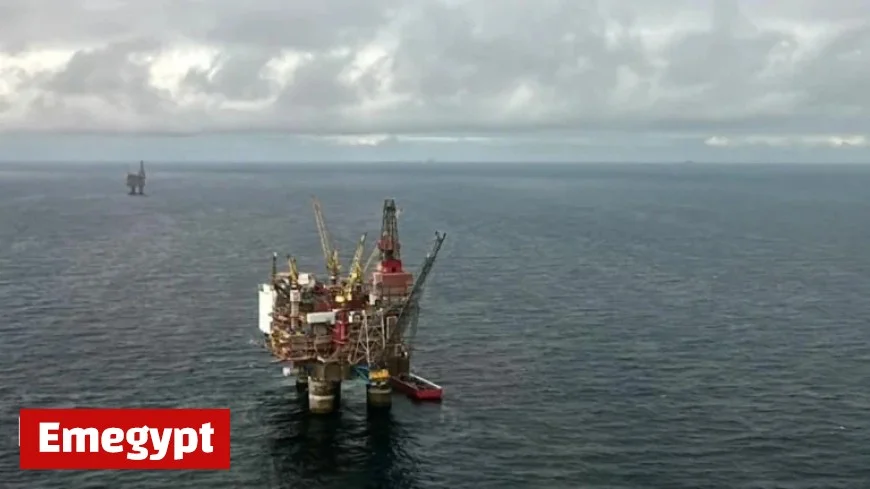
The UK oil and gas sector is facing urgent challenges due to high taxation and dwindling investments. In response, Labour has announced a new plan aimed at expanding North Sea exploration opportunities. This initiative aims to foster growth in a struggling industry.
Windfall Tax Concerns
Currently set at 78%, the energy profits levy (EPL) is slated to expire in 2030. However, there is rising speculation about an earlier phase-out. The oil and gas industry has voiced concerns that the EPL is detrimental to their operations, which has hindered investment.
Operators have increasingly opted to invest in regions with more favorable tax conditions. According to research from Robert Gordon University in Aberdeen, the sector is losing approximately 1,000 jobs each month.
Industry Reactions
There is a growing consensus that any expansion in North Sea exploration, including approvals for “tie backs,” will be ineffective without modifications to the current tax structure. Industry leaders suggest that a “cap and floor” mechanism could be a viable solution. This approach would activate if oil prices rebound to levels seen after the Russian invasion of Ukraine.
Prominent figures in the industry have criticized the UK government’s North Sea policies. Russell Borthwick, the CEO of the Aberdeen & Grampian Chamber of Commerce, has expressed strong disapproval. He emphasized that maintaining the EPL would lead to further job losses and discourage investment.
Call for Government Action
Borthwick asserts that the Chancellor of the Exchequer must consider tax relief to avert a larger crisis. He indicated that without a shift in policy by 2026, more companies may choose to exit the North Sea.
Summary of Key Points
- Current windfall tax stands at 78%, expiring in 2030.
- Oil and gas industry reports job losses of 1,000 monthly.
- Potential for a “cap and floor” tax mechanism.
- Industry leaders urge for changes to EPL to protect jobs.
- Chancellor urged to make tax adjustments by 2026.
As the situation unfolds, the government’s response will be critical in determining the future viability of the North Sea oil and gas sector.