


















Everything You Need to Know About Rachel Reeves’ Budget Announcement on the Help to Save Scheme

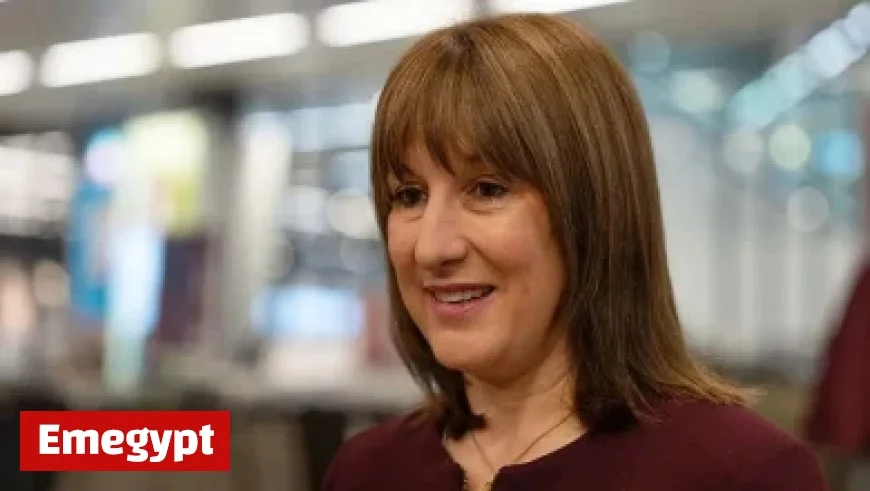
Chancellor Rachel Reeves is set to make a significant announcement regarding the Help to Save scheme in her upcoming Autumn Budget presentation. The scheme, designed to support low-income individuals in saving money, will be made permanent and expanded to benefit an additional 1.5 million parents and carers.
Overview of the Help to Save Scheme
The Help to Save scheme aims to encourage lower-income earners to save money by offering an attractive cash bonus. Eligible savers can earn up to £1,200, provided they meet certain criteria.
How Help to Save Works
- Participants must be on Universal Credit and working, earning a minimum of £1 per month.
- Savers can deposit as little as £1 per month, up to a maximum of £50 monthly. Over four years, this can total £2,400.
- The bonus is calculated at 50% of the total contributions, capped at £1,200.
Eligibility Expansion
Previously slated to end in 2027, the scheme’s permanence marks a shift in policy to support more working families. Beginning in 2028, it will include new eligibility criteria, allowing parents and carers on Universal Credit to participate.
A Treasury spokesperson highlighted the significance of this expansion, stating that it aims to acknowledge the contributions of unpaid carers and parents to the economy. Those who provide 35 hours of care to disabled individuals and those who have children in education will gain access to this vital initiative.
Current Participation Rates
Despite the potential benefits, participation in the Help to Save scheme has been limited. Only 575,000 accounts have been opened since the scheme’s launch in September 2018. Out of approximately 2.7 million individuals on Universal Credit with employment, only one in five has utilized the program.
Importance of the Announcement
With the upcoming Budget, Labour aims to address the pressing issue of living costs for low-income families and working individuals. However, some proposed measures, such as reducing the tax-free savings limit in Cash ISAs from £20,000 to £12,000, have faced criticism for potentially exacerbating financial challenges for these households.
Experts have emphasized the need for broader strategies to support low-income families in saving effectively. Many individuals on tight budgets struggle to set aside money, even with the incentive from the Help to Save scheme.
Conclusion
Chancellor Rachel Reeves’ commitment to making the Help to Save scheme permanent and more inclusive is a positive step for many struggling families. Nevertheless, this policy should be complemented by additional measures aimed at alleviating the overall cost of living pressures.