


















How the Budget Can Solve the Household Debt Crisis

The ongoing cost-of-living crisis has exacerbated the household debt situation, placing millions of families in dire financial straits. With rising unemployment and increasing personal insolvencies, over 10 million individuals are now burdened with unmanageable debts. Notably, the upcoming November budget presents a critical opportunity to address this financial turmoil.
Understanding the Household Debt Crisis
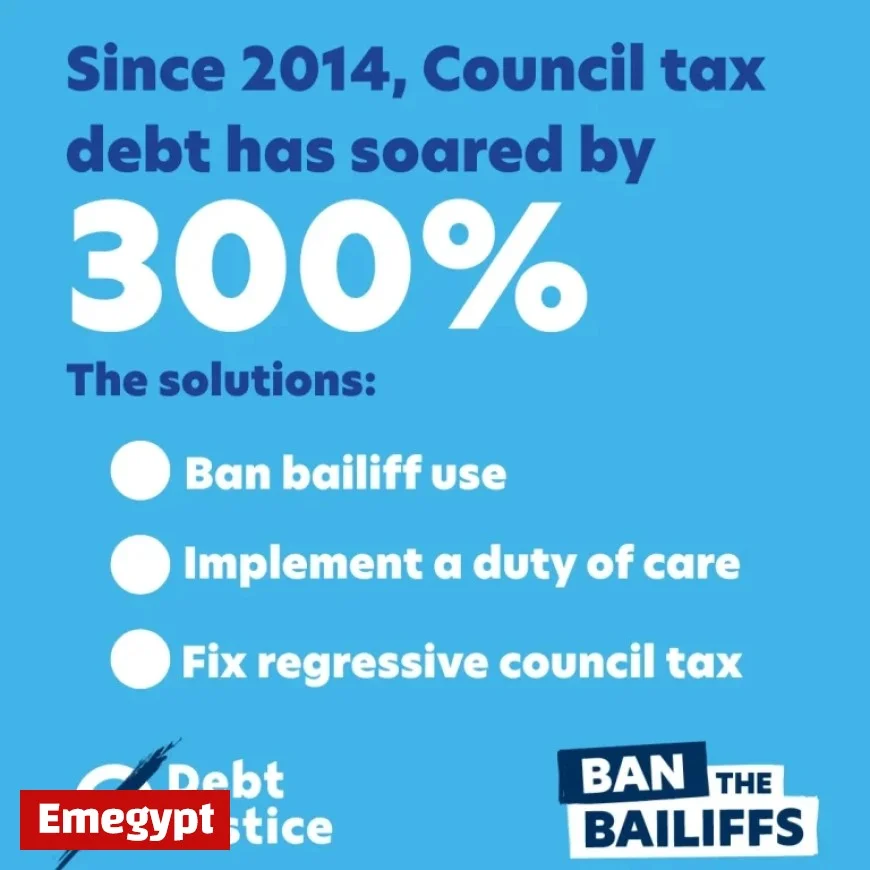
Among the various debt issues, council tax debt in the UK is growing alarmingly. Recent statistics indicate that total outstanding council tax debt has surged to £8.3 billion, marking a staggering increase of 300% since 2014. Currently, more than four million people are behind on their council tax payments.
The average council tax bill has risen 54% over the last decade, with an 18% increase after accounting for inflation. This rising burden contributes significantly to the overall household debt crisis.
Key Recommendations for the Chancellor
To effectively tackle this crisis, the Chancellor should consider the following recommendations:
- Ban Bailiffs: Many households live in constant anxiety over bailiff visits, which have increased by 30% in the last two years to 1.7 million referrals. A significant portion of individuals facing council tax debt live below the poverty line, with values indicating that four-fifths earn less than the UK average. A complete ban on bailiff referrals is essential to protect vulnerable residents.
- Introduce a Duty of Care: Establishing a duty of care for local authorities is critical. This would prioritize the wellbeing of residents during debt collection and ensure access to welfare support, income maximization, and debt advice. Additionally, writing off unpayable council tax debt should become standard practice to help struggling households recover.
- Revise Council Tax: The current council tax structure is regressive, imposing higher relative costs on those with lower incomes. The government should consider replacing the existing system with a proportional property tax. The Fairer Share campaign suggests implementing a flat 0.48% rate on all properties, which could reduce bills for the majority while providing relief for renters and preventing debt accumulation.
Broader Implications of Household Debt
While addressing council tax debt is vital, the focus must also expand to other areas, particularly energy debt, which is projected to reach £5 billion this year—more than double over the past three years. Although Ofgem has introduced a debt write-off scheme, the £0.5 billion allocated does little to alleviate overall burdens, placing the financial responsibility on customers while energy costs remain significantly elevated.
Final Thoughts
The forthcoming budget presents the government with a pivotal choice. It can either allow millions to succumb to worsening financial hardship or take meaningful steps to alleviate household debt. The recommended reforms—including banning bailiffs, addressing council tax, and managing energy costs—would provide necessary relief to those struggling in this economic environment. The time for action is now; those in need are counting on the government to choose a path that supports them.
If you wish to advocate for these changes, consider reaching out to your MP to express your support.