


















SGF Alerts Reeves: Rising Business Costs Devastate the Sector

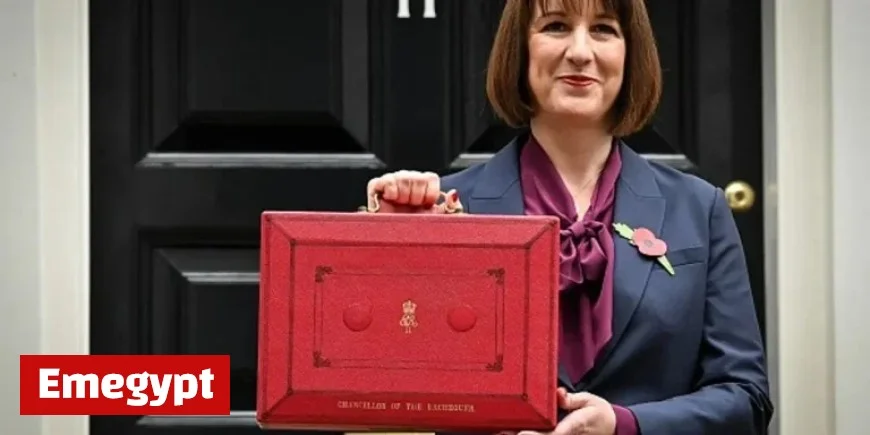
The convenience retail sector in the UK is facing severe challenges as rising business costs threaten its viability. The Scottish Grocers’ Federation (SGF) has raised alarms about the impending budget announcements from the UK Chancellor, slated for this Wednesday, November 26. These new financial measures primarily aim to address public expenditure deficits, but their impact on retailers could be detrimental.
Impact of Rising Business Costs on Retailers
Retailers in the convenience sector have already been grappling with increased costs resulting from last year’s budget decisions. Notable changes include:
- Increases in employer National Insurance contributions.
- Higher National Living Wage rates.
- New workers’ rights affecting operational expenses.
- Additional product restrictions scheduled through 2025 and 2026.
These factors have forced many retailers to make tough decisions, including reducing staff hours and raising prices. According to SGF, this has led to an alarming decrease of 10% in staff within the sector, dropping employment from 55,000 to 49,000.
Economic Trends and Statistics
Recent annual figures showcasing the state of the Scottish convenience sector reveal troubling trends:
- Employment fell by 6,000 over the past year.
- Total hours worked decreased from 9.8 million in 2024 to 9.5 million.
- Investment into business improvements declined from £94 million to £89 million for 2025.
Moreover, retailers are contending with rising issues such as retail crime, increasing food inflation, and a decline in real business rate reliefs. These burdens have compelled many businesses to invest less in their facilities, negatively impacting the overall service quality.
Call for Support from Government
SGF’s Head of Policy & Public Affairs, Luke McGarty, has stressed the need for the Chancellor to avoid introducing new taxes that could further heighten operational costs. He emphasizes that the convenience sector is pivotal to both the UK economy and local communities. Convenience stores serve as essential hubs for economic activity, local employment, and vital services.
McGarty remarked, “It is crucial that the government understands the pressing need for economic growth. Additional financial burdens can lead to increased prices, ultimately affecting customers and households already facing difficulties.”
The modification to employer National Insurance contributions has already gone up to £396 million, reflecting a £175 million increase from the previous year. Alongside this, the National Living Wage has risen by 33% since 2019, moving from £8.21 to £12.21 per hour, further adding to the concerns of convenience retailers.
Without prompt action and support from the government, the future of convenience retail in the UK could be at risk, jeopardizing both economic stability and community welfare.