


















Three-Year Freeze on Student Loan Repayments and Interest Rates Announced

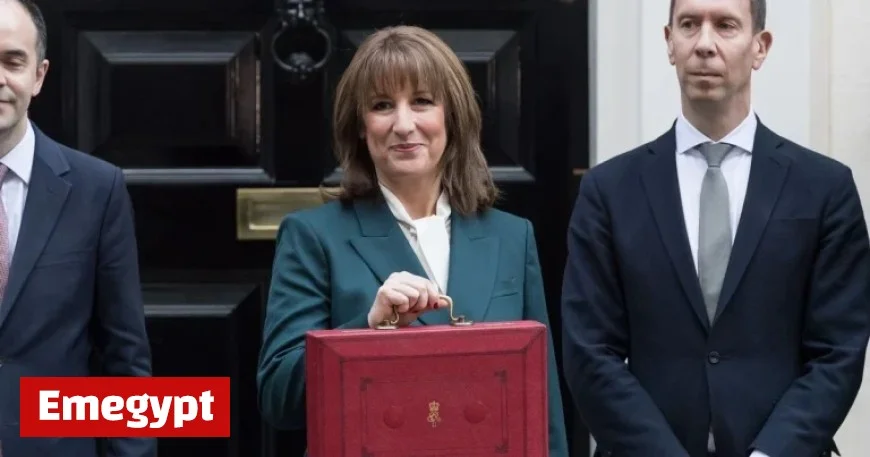
The Labour Party government has introduced significant changes affecting student loans and taxation as part of the Autumn Budget announced by Chancellor Rachel Reeves. A notable measure is the three-year freeze on student loan repayments and interest rate thresholds for Plan 2 loans, scheduled to begin in the 2027-28 fiscal year.
Key Changes to Student Loans
Under the newly announced plan, interest rates for Plan 2 student loans will remain fixed at 7.9%. This decision diverges from the previous trend of rates adjusting alongside inflation and general interest rates. The government estimates that this freeze will generate an additional £400 million annually.
Income Tax Threshold Adjustments
The Autumn Budget also includes an extension of the freeze on income tax thresholds for the next three years, lasting beyond 2028. This extension, often referred to as a “stealth tax,” is expected to boost government revenue by approximately £8.3 billion each year.
- This freeze means that income tax thresholds will not increase with inflation.
- More individuals will find themselves in higher tax brackets following pay raises.
Changes to Cash ISA Allowances
Another significant announcement involved modifications to the tax-free allowance for Cash ISAs. The allowance has been reduced from £20,000 to £12,000 for new contributions each year.
- This change will not affect individuals over the age of 65, who will retain the original £20,000 limit.
- The limit for Stocks and Shares ISAs will remain unchanged at £20,000.
Rationale Behind Changes
Chancellor Reeves emphasized that the primary aim of the Cash ISA allowance reduction is not to generate revenue but to encourage younger people to invest rather than simply save. Investment has been shown to yield better long-term returns, and the government hopes to make investment more appealing.
Financial experts have noted that while the adjustments may appear strict, particularly the cut in Cash ISA limits, they also align with broader economic goals. Enhanced investment education and better access to guidance are seen as critical accompanying measures to support this strategy.
These measures collectively highlight the government’s approach to fiscal policy amid ongoing economic challenges while aiming to stimulate investment and economic growth among younger populations.