
















Guinea-Bissau Coup: President Umaro Sissoco Embaló Detained by Armed Forces in Sudden Power Shift

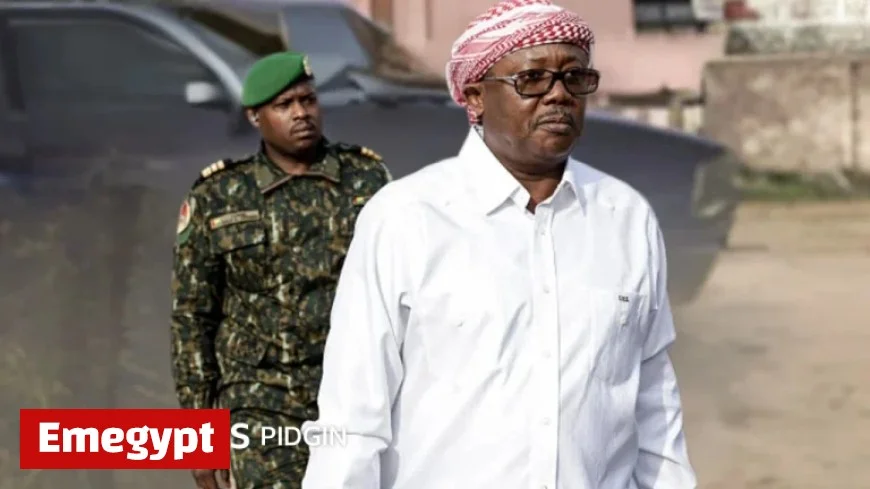
On November 26, 2025, a significant power shift occurred in Guinea-Bissau as President Umaro Sissoco Embaló was detained by armed forces in the capital, Bissau. This incident transpired just three days after the country held its presidential election.
Details of the Coup
Gunfire erupted around 1 PM local time, though the identities of those involved remain unclear. Eyewitnesses reported that the situation escalated quickly, creating a state of alarm within the vicinity of the presidential palace.
Election Context
Embaló had participated in the presidential and legislative elections on November 23, where he voted in Gabu. He faced challenger Fernando Dias, who has disputed the election results. The electoral commission promised to release final results shortly, with voter turnout estimated at over 65% among Guinea-Bissau’s 2.2 million population.
Political Background
- Umaro Sissoco Embaló has been in office since December 2019.
- The country has a history of political upheaval, including over ten coup attempts since its independence in 1974.
- Embaló is the first president not supported by the African Party for the Independence of Guinea and Cape Verde (PAIGC) since his election.
Former Prime Minister Domingos Simoes Pereira, a key ally of Dias, was disqualified from participating in the election due to political tensions. This disqualification has fueled the ongoing political strife in Guinea-Bissau.
International Concerns
Guinea-Bissau’s political instability has raised alarms globally. The European Union suspended some aid in 2011 amid governance concerns. The UN Security Council highlighted rising drug trafficking in 2012, linking these issues to the country’s instability.
Historical Precedents
Since 1980, Guinea-Bissau has faced numerous coups, with most leaders failing to complete their terms without being overthrown. This troubling trend not only reflects internal corruption but also broader regional challenges in West Africa.
Impact of Coups in Africa
The recent coup in Guinea-Bissau adds to a concerning pattern of military takeovers in West Africa. Challenges such as poverty and governmental corruption often contribute to these upheavals, provoking instability across borders.
As Guinea-Bissau moves through this crisis, the world watches closely. The situation underscores the urgent need for political stability and governance reform in the region.