

















Understanding Fraud and Scam Prevention: Discover Why Everyone is a Potential Target

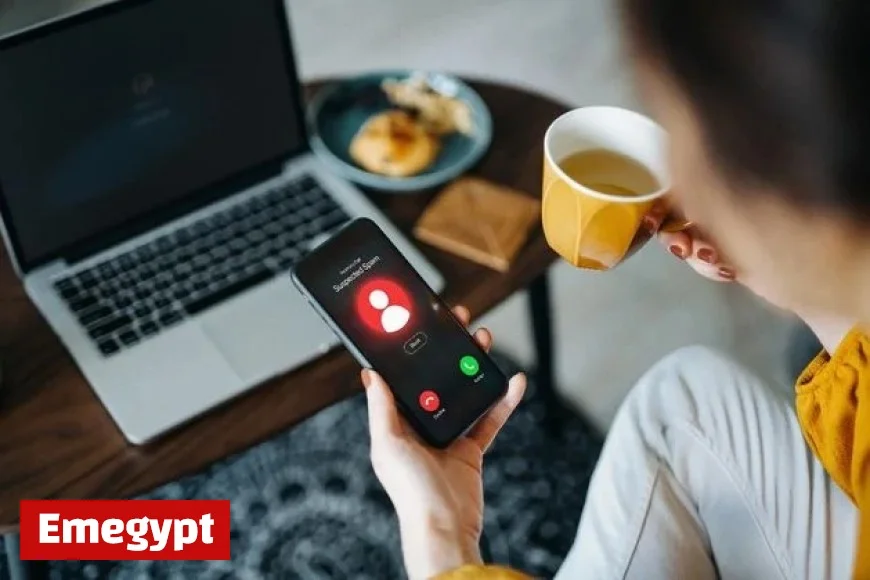
Fraud and scams are increasingly pervasive, affecting both individuals and businesses. Even those who consider themselves savvy are not immune to these threats. The Bank of Ireland UK aims to combat this growing issue by enhancing fraud awareness and prevention efforts.
Understanding Fraud and Scam Prevention
Allison Ewing, the Fraud Manager for Education & Awareness at Bank of Ireland UK, emphasizes that fraudsters target everyone, regardless of age or technical ability. The assertion that only vulnerable individuals are at risk is misleading. Scams have become more sophisticated, making them harder to identify.
Common Types of Fraud
Fraud can take various forms, including:
- Purchase Scams: Misleading advertisements promising products that never arrive.
- Impersonation Scams: Fraudsters posing as trusted entities like banks or government agencies.
- Investment Scams: Often advertised on social media, these solicitations promise high returns with minimal risk.
Bank of Ireland’s Commitment to Customer Protection
To safeguard its customers, Bank of Ireland UK has implemented a range of measures. Education is a crucial element of their strategy, involving community outreach and resources aimed at increasing awareness.
- Investment in advanced fraud prevention technologies.
- 24/7 phone support for customers to report suspicious activities.
- Collaboration with law enforcement and agencies to monitor threats.
Educational Initiatives
The bank has launched initiatives such as the Fraud Watch: True Stories series. This program shares real-life accounts of individuals affected by scams, highlighting the signs and providing practical tips for protection.
Practical Tips for Fraud Prevention
Bank of Ireland UK encourages everyone to adopt the “Stop, Think, Check” approach:
- Stop: Don’t trust unsolicited messages or offers that seem too good to be true.
- Think: Question unexpected investment opportunities and verify their legitimacy.
- Check: Research the company or individual and consult official resources like the Financial Conduct Authority (FCA) before any transactions.
International Fraud Awareness Week
Each November, the third week is designated as International Fraud Awareness Week. This initiative aims to promote education about fraud and scams worldwide. Banking institutions, including Bank of Ireland UK, participate actively in raising awareness and fostering vigilance.
Allison Ewing concludes that preventing fraud is a collective responsibility. “While banks play a significant role, consumers must also remain vigilant,” she states. Education and communication among individuals can help mitigate the impact of fraud. For more advice on fraud prevention, visit Emegypt.