
















THC-Infused Drinks and Snacks Market Faces Federal Ban Threat

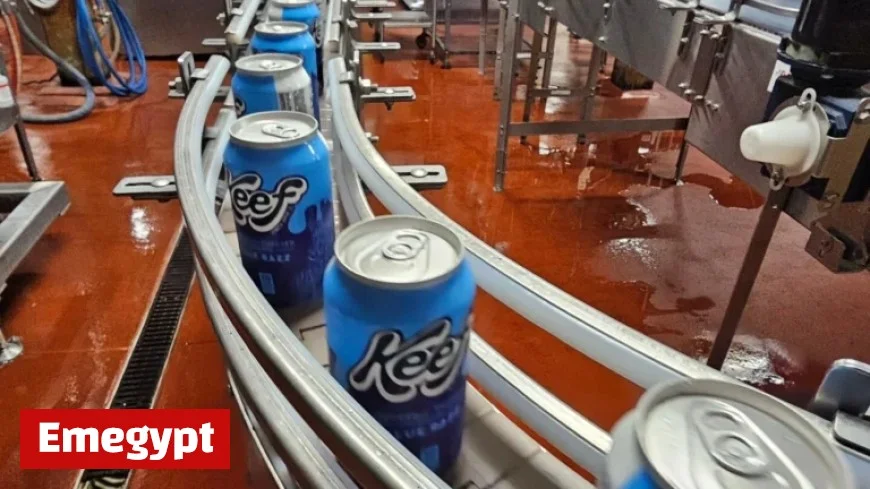
The THC-infused drinks and snacks market is facing significant challenges due to a pending federal ban. This regulation threatens to disrupt a burgeoning segment of the hemp industry, estimated at $24 billion, as lawmakers move to restrict impaired products derived from hemp.
Recent Developments in the Hemp Industry
Indeed Brewing, a Minneapolis-based brewery, has capitalized on the growing popularity of THC-infused beverages. These products have gained traction in a market where traditional alcohol sales have declined. However, a provision included in a recent bill aimed at resolving the federal government shutdown poses an existential threat to these offerings.
Impact of Proposed Legislation
The newly introduced provision will impose a ban on THC-infused drinks and other impairing snacks made from hemp, effective November 2026. This decision has sparked concerns from industry leaders, including Ryan Bandy, Indeed’s chief business officer. Bandy emphasized the negative implications for breweries and consumers alike.
Background on Hemp Legalization
The foundation for this industry was laid in 2018 when Congress legalized the cultivation of industrial hemp. This legislation, part of the farm bill, was intended to provide farmers a new cash crop. Unfortunately, the definition of hemp—containing less than 0.3% delta-9 THC—has created a loophole. Businesses exploited this by producing a variety of unregulated products, including gummies and beverages that contain sufficient THC to induce impairment.
Emerging Risks and State Regulations
- Some states have witnessed an increase in poison-control calls due to accidental THC exposure.
- A growing number of states have initiated regulations or outright bans on impairing hemp products.
- California recently enacted a law barring the sale of intoxicating hemp goods outside its legal marijuana system.
Despite these regulations, more states are scrambling to control sales of these products. Texas, for example, is working to ensure that sales are restricted to individuals over 21. Nebraska has considered criminalizing the possession and sale of hemp-based THC products, reflecting the urgency for a unified regulatory framework.
Concerns Among Industry Leaders
The impending federal ban is expected to jeopardize over 300,000 jobs and lead to a projected loss of $1.5 billion in tax revenues for states. Additionally, local businesses like Bauhaus Brew Labs have voiced grave concerns about their future viability if the ban proceeds as planned.
Next Steps for the Hemp Industry
While the federal ban is set to take effect in a year, officials are hopeful for regulatory changes that might salvage the industry. Proposals to improve the regulation of hemp THC include banning synthetically derived THC and implementing age restrictions on sales.
Senators from Minnesota, including Amy Klobuchar and Tina Smith, are actively seeking solutions to prevent the ban from causing irreparable harm. They advocate for state-specific regulatory frameworks, drawing on Minnesota’s existing, stringent regulations as a potential model for national guidelines.
The future of the THC-infused drinks and snacks market hangs in the balance as stakeholders strive to navigate the evolving legal landscape surrounding hemp. Ensuring a sustainable future for the hemp industry may require swift action and continued dialogue among lawmakers and industry representatives.