
















Iconic Hong Kong Bamboo Scaffolding Examined in Deadly Fire Investigation

In a recent investigation of a deadly fire in Hong Kong, the role of bamboo scaffolding has come under scrutiny. While officials have not directly blamed bamboo for the rapid spread of the flames, concerns have been raised about the materials surrounding the scaffolding.
Fire Incident Findings
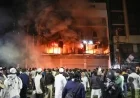
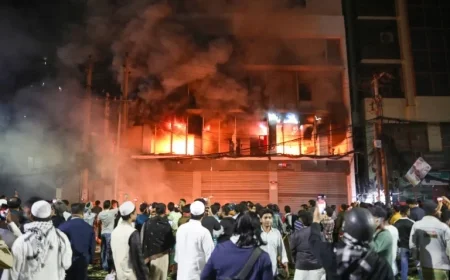
The city’s Security Secretary, Chris Tang, noted that protective netting and tarpaulins contributed to the fire’s intensity. He stated, “The protective netting, protective films, waterproof tarpaulins, and plastic sheets on the external walls burned much more intensely and spread significantly faster than materials that meet safety standards.”
Derek Armstrong Chan, the Deputy Director of Fire Service Operations, confirmed that falling scaffolding hindered rescue efforts. He commented on the preliminary findings, indicating a clear link between the materials used and the rapid fire spread.
Bamboo Scaffolding in Hong Kong
Despite safety concerns, bamboo scaffolding remains a deeply rooted tradition in Hong Kong. Many in the city view it as not only economically viable but also versatile.
- Bamboo scaffolding is a source of cultural pride.
- Displayed in Hong Kong’s pavilion at the Venice Biennale architecture exhibition.
- Approximately 2,500 registered bamboo scaffolding masters in the city.
Yet, the profession faces challenges, primarily due to an aging workforce. In response to safety concerns, particularly after various fatal accidents, the Hong Kong Development Bureau announced that 50% of new public construction projects will require metal scaffolding going forward.
Safety Regulations and Industry Concerns
This move has sparked public discussions about Hong Kong’s evolving identity. Many fear that the shift toward metal scaffolding signifies a loss of cultural heritage at a time when the region’s democratic values are under threat.
Since 2018, the Hong Kong Labor Department reported 22 deaths associated with bamboo scaffolding. Experts highlight that bamboo is combustible, prompting professionals like Jiang Liming from Hong Kong Polytechnic University to advocate for safer materials.
Conclusion
The investigation into the recent fire adds another chapter to the ongoing debate over the use of bamboo scaffolding in Hong Kong. While it remains a celebrated tradition, safety concerns are driving a shift that may redefine the skyline of the city and its construction practices.