
















Reeves Faces Accusations of Misrepresenting UK Finances in Budget 2025 Analysis

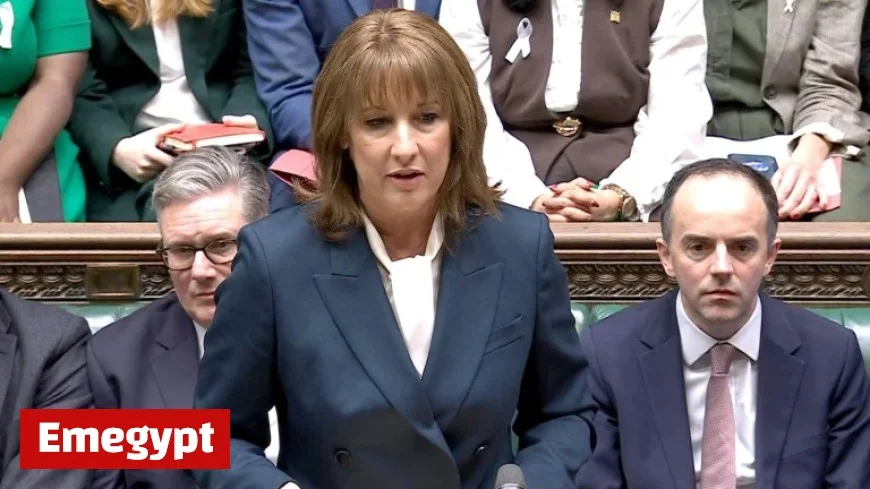
Rachel Reeves, the UK Chancellor, is facing criticism for allegedly misrepresenting the nation’s financial status prior to the Budget 2025 analysis. A letter from the Office for Budget Responsibility (OBR) raised concerns about her portrayal of the fiscal situation.
Key Developments Surrounding Budget 2025
The OBR’s letter, released on a Friday, indicated that it had informed the Chancellor as early as September 17 that the £20 billion deficit significant in meeting her fiscal rules was notably smaller than claimed. By October, the OBR reported that the spending deficit had disappeared entirely, positioning the government on course for a surplus.
Controversial Budget Decisions
In a recent budget announcement, Reeves increased taxes by over £26 billion, despite earlier assertions of needing to make “hard choices” regarding tax and spending commitments. On November 4, she hinted during a press conference that she might be forced to break a manifesto promise and raise income tax rates.
- Chancellor did not increase income tax rates during the budget.
- The income tax thresholds will remain frozen, drawing criticism as a stealth tax.
Political Reactions
Conservative leader Kemi Badenoch accused Reeves of misleading the public, suggesting she should resign. However, Downing Street refuted these claims. A spokesperson emphasized that Reeves clearly addressed the country’s challenges in her budget speech.
The OBR’s timeline raised questions. It indicated no updates to forecasts had been made after the end of October, contrasting with prior warnings and projections. Economist Ben Zaranko remarked on the puzzling nature of the negative briefings leading up to the budget.
Aftermath of the Budget Announcement
Following the budget, Badenoch continued to press for Reeves’ dismissal, asserting that months of public misrepresentation justified the significant tax increases. Meanwhile, Shadow Chancellor Sir Mel Stride suggested that the decision to raise taxes was intentionally misleading, emphasizing that the OBR’s findings indicated that tax increases were unnecessary.
Conclusion
As the debate continues, the focus remains on whether Reeves has acted in the best interest of the public and the economy. The responses from both sides highlight the political landscape surrounding Budget 2025 and its implications for future fiscal policies in the UK.