
















Discover the Rolling Stones Song George Harrison Praised for Its Unbeatable Riff

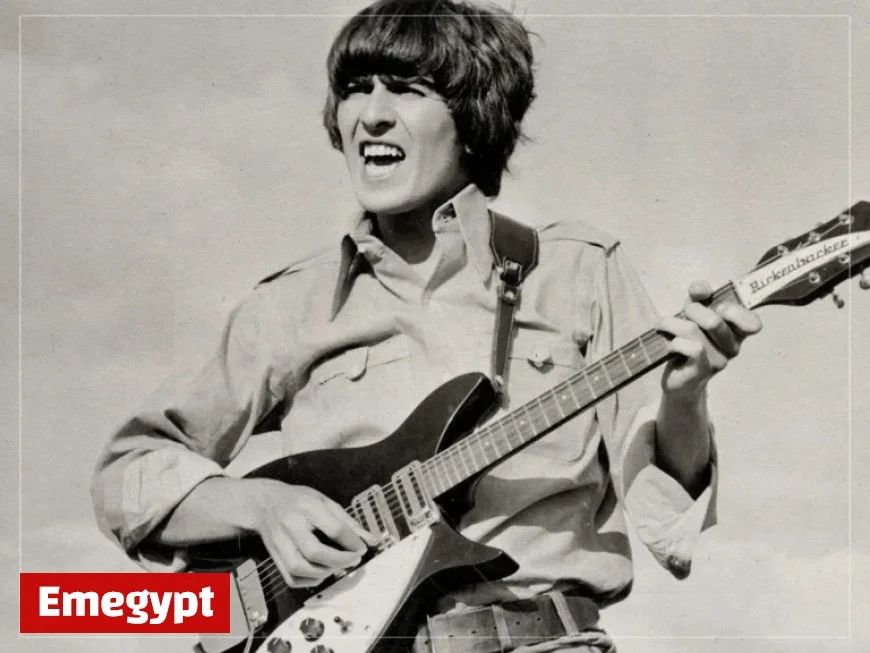
The legacy of The Beatles is often overshadowed by the remarkable achievements of the band members, particularly George Harrison and Ringo Starr. While Harrison contributed significantly as a songwriter and musician, his earlier years with the band saw him limited to a few tracks. However, by the late 1960s, he emerged as a key figure with iconic songs such as “Taxman,” “While My Guitar Gently Weeps,” “Here Comes the Sun,” and “Something.”
George Harrison’s Journey to The Beatles
In 1957, George Harrison’s passion for skiffle and rock ‘n’ roll caught the attention of his schoolmate Paul McCartney. While gaining McCartney’s friendship was easy, convincing John Lennon, two years older, was more challenging. In 1958, Harrison auditioned for Lennon on the top deck of a double-decker bus, performing the riff from Bill Justis’ instrumental classic, “Raunchy.” Lennon recalled, “We asked George to join because he knew more chords.”
The Beatles and The Rolling Stones Relationship
As The Beatles rose to fame with their first two albums in 1963, The Rolling Stones emerged in the London scene, led by Brian Jones. Over time, Mick Jagger and Keith Richards developed their songwriting, while the bands maintained a cordial relationship despite rumors of rivalry. Notably, The Beatles gifted The Rolling Stones the song “I Wanna Be Your Man,” which became a breakthrough hit for them.
George Harrison’s Admiration for Keith Richards
George Harrison held Keith Richards in high regard, stating, “I think he’s probably one of the best rock ‘n’ roll rhythm guitar players.” He praised Richards for his songwriting skills and ability to produce memorable records. Harrison noted, “You can’t beat the riff to ‘Satisfaction’,” admiring its simplicity and effectiveness.
Keith Richards’ Views on George Harrison
Keith Richards reciprocated Harrison’s admiration, highlighting his collaborative spirit. Richards said, “George was a band and a team player.” He emphasized that playing in a band was about artistry and craftsmanship rather than just showcasing technical skill. Richards considered Harrison an integral member of the group, stating, “George was an artist but he was also a fucking craftsman.”
The Significance of “(I Can’t Get No) Satisfaction”
Richards famously composed the iconic riff for “(I Can’t Get No) Satisfaction” in his sleep. Mick Jagger reflected on its impact, stating that the song transformed The Rolling Stones into a “huge, monster band.” Its catchy title and distinctive sound captured the spirit of the era, illustrating the band’s evolution in the music scene.
Conclusion
The interplay of talents between The Beatles and The Rolling Stones showcases the rich musical history of the 1960s. Harrison’s contributions, combined with Richards’ innovative riffs, created some of the most memorable songs in rock history. Their mutual respect and admiration reflect a legacy that continues to influence musicians today.