
















Elderly Targeted in Bitcoin ATM Scams

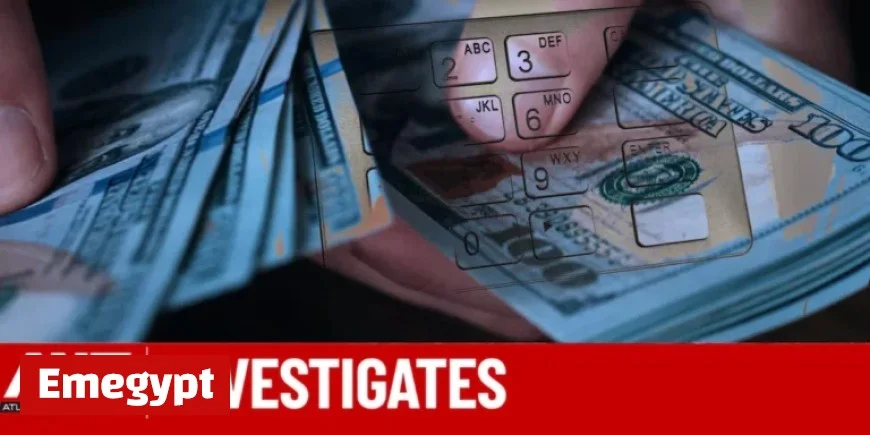
Georgia Watch, a prominent nonprofit consumer advocacy group, has raised alarms about a surge in scams targeting the elderly, facilitated by Bitcoin ATMs. These machines are increasingly visible in convenience and liquor stores throughout Georgia. An investigation identified nearly 1,000 Bitcoin ATM locations in the metro Atlanta area.
Growth of Bitcoin ATMs in the U.S.
According to the Financial Crimes Enforcement Network, there were 4,250 Bitcoin ATMs in the United States in 2020. By August 2025, this number is projected to grow to about 30,647. In 2024, the FBI’s Internet Crime Complaint Center received 10,956 complaints linked to these ATMs, resulting in victims losing approximately $246.7 million.
Mechanism of Scam
Bitcoin ATMs, also known as convertible virtual currency kiosks, allow users to convert cash into cryptocurrency seamlessly. These machines have become a prime target for scammers preying on unsuspecting elderly individuals. Consumer advocates warn that once a victim deposits money into a Bitcoin ATM, the transaction becomes nearly untraceable.
- The operator may provide assistance, making the victim feel secure.
- Often, no clear signs indicate the risks associated with these machines.
- Once money is transferred, it cannot be retrieved, unlike traditional wire transactions.
State Regulations and Consumer Advocacy
In response to the growing concern, several states and local governments have begun to regulate Bitcoin ATMs. Sandy Springs implemented a regulation last year mandating registration and warning notices on the machines. Recently, Forsyth County established similar requirements, including the necessity of a permit for installation and explicit warnings about scams.
Recommended Actions for Victims
If you suspect a scam involving a Bitcoin ATM, take the following steps immediately:
- Cease all money transfers and do not follow the scammer’s instructions.
- Preserve all related documentation, including receipts, transaction details, and communication records.
- Report the incident to the FBI’s Internet Crime Complaint Center and the Federal Trade Commission.
- Contact local law enforcement and notify your bank’s fraud department if applicable.
- Reach out to the ATM operator’s customer support and document the incident.
Protecting the Elderly from Scams
To shield elderly loved ones from these scams, families are encouraged to establish household rules. Never allow payment of bills via Bitcoin ATMs, as legitimate businesses will not request this method. Discuss common scams, including tech support and “grandparent” emergencies, and create a call-back plan to avoid hasty decisions under pressure.
Lastly, treat Bitcoin ATMs as potential high-risk devices. Always read any warning signage and never interact with QR codes provided by strangers. Awareness and communication are vital in preventing future scams.