















Cyclone Ditwah Devastates Sri Lanka: Worst Floods in Decades Kill Hundreds

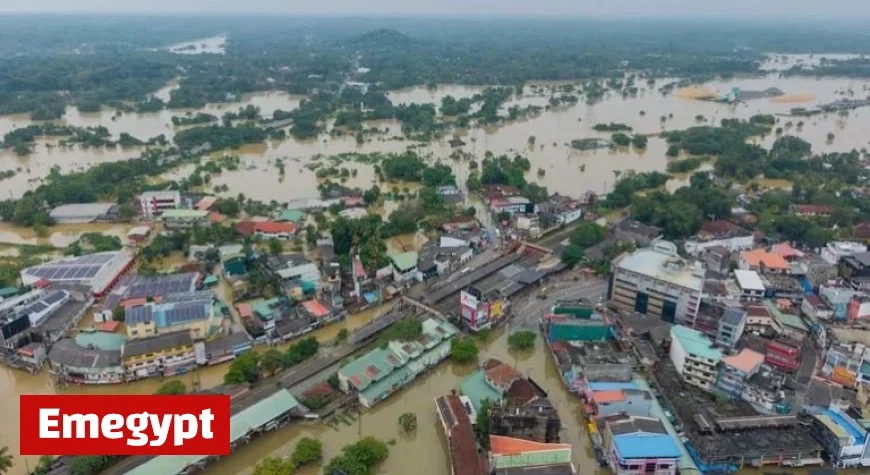
Severe flooding in Sri Lanka has been triggered by Cyclone Ditwah, leading to devastating impacts across the nation. With nearly one million individuals affected, the situation continues to escalate.
Cyclone Ditwah: A Catastrophic Event
Cyclone Ditwah made landfall on November 28, 2023. This natural disaster has caused some of the worst flooding Sri Lanka has encountered in decades. As a result, 998,918 people across 25 districts have been impacted.
Casualties and Displacement
- Reported deaths: 212
- Missing persons: 218
- Internally displaced: 180,000 individuals from over 51,000 families
- Shelters established: 1,094 government-run safety centres
The hardest-hit areas include Gampaha, Colombo, Puttalam, and Mannar. Landslides have also devastated regions like Kandy, Badulla, and Matale.
Infrastructure Damage
Initial assessments reveal that the disaster has resulted in significant infrastructure destruction:
- Over 15,000 homes destroyed
- More than 200 roads remain impassable
- At least 10 bridges have sustained damage
- Disruption of rail networks and the national power grid
Flooding along the Kelani River continues to hinder relief efforts and isolate entire villages in the northern districts, such as Jaffna.
Healthcare and Food Security Concerns
The health system in Sri Lanka is currently under strain. Many district hospitals are flooded, limiting the availability of critical supplies. The World Health Organization (WHO) forecasts a surge in vector-borne, food-borne, and water-borne diseases.
- Health Risks: Increased incidence of diseases
- Access to Clean Water: A major concern with multiple areas facing shortages
- Food Insecurity: Submerged farmland and damaged infrastructure threaten supplies
Authorities are also alerted to the potential for rising food prices in the coming weeks.
International Response and Humanitarian Efforts
The United Nations has activated its emergency response system, coordinating with local authorities and humanitarian organizations. They are focusing on several sectors:
- Food Security
- Health Services
- Water and Sanitation (WASH)
- Education
- Shelter and Early Recovery
UN Resident Coordinator Marc-André Franche emphasized the UN’s commitment to mobilizing support for affected communities. Emergency teams from India and Pakistan have also arrived to assist in relief efforts.
Regional Impact
The effects of severe monsoon flooding have reached neighboring countries. Thailand and Malaysia are also grappling with significant flooding, impacting over two million people in southern Thailand alone. In Indonesia, floods and landslides have resulted in at least 440 fatalities, with many individuals missing.
As Sri Lanka faces this catastrophic crisis, coordination and support remain crucial for recovery efforts and disaster relief.