


















Gen Z Embraces the Trend of Renting Everything

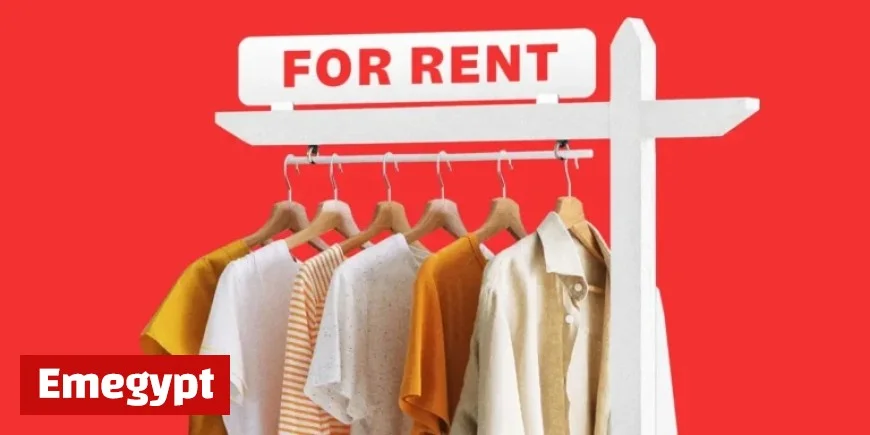
The rental culture among Generation Z is rapidly gaining popularity, driven by a shift toward sustainability and affordability. Many younger consumers are opting to rent clothing, saving both money and reducing their environmental footprint.
Trend Overview: Gen Z Embraces Renting Everything
In recent years, fast fashion has faced scrutiny for its environmental impact. As a result, borrowing clothing and other items has become an appealing alternative.
Growth of Clothing Rental Market
- The clothing rental market is currently valued at approximately $2.6 billion.
- It is expected to exceed $6 billion within the next decade according to Future Market Insights.
Major players in this market include Nuuly, BNTO, and Pickle, each offering unique services. Nuuly, owned by Urban Outfitters’ parent company Urbn, recently reported its first profitable year in January.
Why Renting is Popular Among Gen Z
- Style is increasingly perceived as a form of personal expression rather than a status symbol.
- Instagram and TikTok influencers play a significant role in promoting rental culture.
- Approximately 60% of users on Pickle, a clothing rental app, are from Generation Z.
Renting clothes offers the thrill of a shopping spree without the guilt associated with purchasing new items. Moreover, these rentals allow customers to experiment with unique styles that may not fit into their usual wardrobe.
Success Stories in the Rental Market
Isabella De Murguia, a 27-year-old consultant, exemplifies this trend. She has earned over $25,000 by renting out her closet through Pickle. De Murguia combines her love for fashion with an entrepreneurial spirit, transforming her unused clothing into extra income.
Rental platforms are continuing to thrive. For instance, Nuuly has grown to approximately 400,000 active monthly subscribers. Meanwhile, Pickle saw rental numbers surge by nearly 500% in cities like Miami this year.
Consumer Preferences and Insights
Surveys indicate a growing preference among American consumers for renting outfits for special occasions. In a recent study by GWI, about 20% of respondents noted their preference for rental over purchasing, demonstrating a significant shift in consumer behavior.
Conclusion
As renting becomes a mainstream trend, Gen Z continues to lead the charge. This generation is reshaping notions of consumerism, focusing on sustainability and personal style rather than merely status. The future appears bright for the clothing rental market, making it an attractive option for savvy shoppers. Emegypt will continue to monitor how this trend evolves within the fashion industry.