
















Tunbridge Wells Bottled Water Stations Mobilize Amidst Chemical Crisis Impacting 6000 Homes

On December 1st, 2025, more than 6,000 homes in Tunbridge Wells faced a significant water supply crisis due to a chemical issue at the Pembury water treatment works. This incident prompted local authorities and South East Water to quickly mobilize emergency responses to aid affected residents.
Tunbridge Wells Water Crisis Overview
The troubles began early on a Sunday morning when a “bad chemical batch” forced the Pembury treatment facility to shut down. As a result, local taps ran dry, impacting thousands of households across the area.
Emergency Bottled Water Stations Established
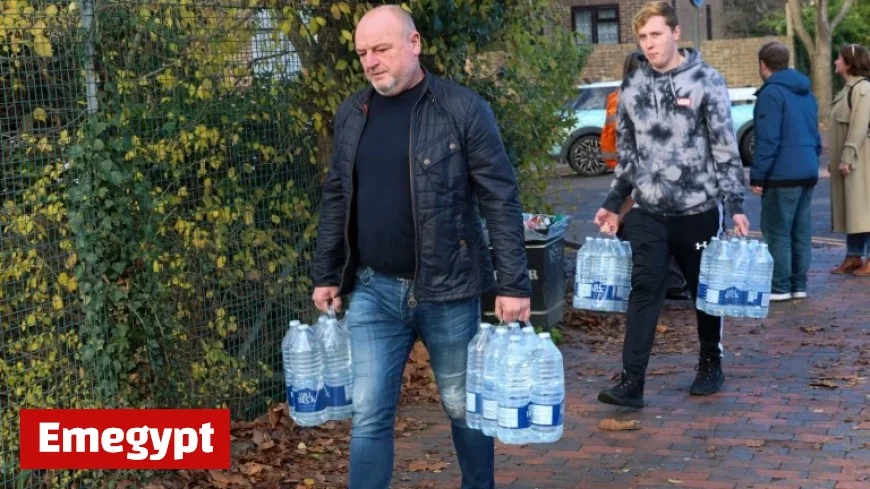
In response to the emergency situation, South East Water launched bottled water stations throughout Tunbridge Wells. One of the primary locations was the Tunbridge Wells Sports Centre on St John’s Road, which opened early to serve residents. Each household was allowed to collect up to 12 bottles of water.
- Location: Tunbridge Wells Sports Centre
- Allowances: Up to 12 bottles per household
- Community involvement: Volunteers assisted with water distribution
Traffic Management and Local Business Impact
The overwhelming demand for bottled water led to severe traffic congestion at collection sites. Police were called in to manage the flow of vehicles and pedestrians. Local businesses, including the Black Horse pub, were also affected and temporarily closed due to loss of water supply.
Support for Vulnerable Residents
South East Water’s efforts included direct deliveries to 1,700 residents on its Priority Services Register, comprising vulnerable individuals and care homes. Water tankers were deployed to support essential services, particularly to Tunbridge Wells Hospital, ensuring that medical needs were met.
Restoration and Community Resilience
Initially, South East Water aimed to restore regular water service by 6 PM on Sunday. However, later updates pushed the timeline back to 6:00 AM on Monday, December 1st. Residents were advised to remain patient and continue utilizing bottled water supplies during the disruption.
Despite the frustration, the community showed remarkable resilience. Volunteers, neighbors, and local authorities collaborated effectively to support each other. The incident highlighted both the vulnerability of public utilities and the strength of community spirit in times of crisis.
Looking Ahead
As the situation calmed, discussions around infrastructure resilience and emergency preparedness intensified. Residents anticipated improvements to the local water systems to prevent future crises. The swift response and communal support during this incident underscored the importance of preparedness in ensuring public safety.