


















From Christian Roots to Chocolates Discover the Fascinating History of Advent Calendar Tradition

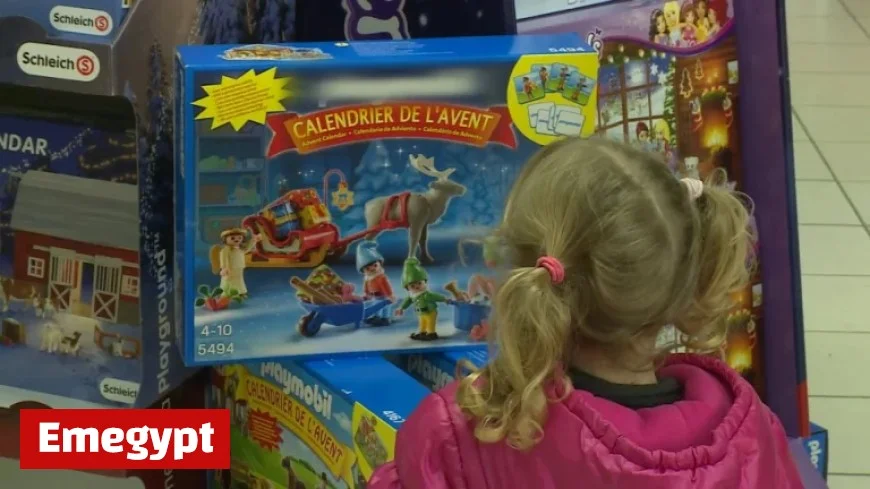
The Advent calendar has become a staple of the Christmas season, with its roots embedded in Christian traditions. Every year, millions of these calendars are sold, particularly in France, where their sales have reached up to ten million. They feature a range of items—from delicious chocolates to unique gifts like wine and whisky.
Understanding the Origins of the Advent Calendar Tradition
The term “Advent” derives from the Latin word “adventus,” meaning arrival. This period marks the anticipation of Jesus Christ’s birth on December 25. Advent begins on the last Sunday of November, leading into December. It serves as a time for spiritual preparation, similar to Lent before Easter.
The Traditional Advent Wreath
Before the popularity of chocolates and trinkets, the Advent wreath served as a meaningful symbol for millions. On each Sunday leading up to Christmas, four candles were lit. Each candle represented a virtue: forgiveness, faith, joy, and peace. These candles were lit in a specific order, ending with the last candle on Christmas Eve, signifying the conclusion of the anticipation for the Messiah.
The Historical Roots in Germany
The Advent wreath tradition originated in Germany during the mid-19th century. Later, Germany also saw the birth of the first Advent calendars. Traditionally, between December 1 and December 24, children would receive religious images each day. The modern version of these calendars, featuring doors that open to reveal treats, emerged in the 1920s, often displaying Bible verses behind each door. The chocolate-filled calendars made their debut in the late 1950s, quickly becoming favorites among families.
Diversifying the Advent Calendar Offerings
Today, Advent calendars have evolved well beyond chocolates. They come in various forms to cater to diverse tastes and budgets. Some calendars now include toys, gourmet sausages, beauty products, or fine wines. For instance, French brand Flacon, founded by Clément Gaveau, offers a unique calendar where each day features a different wine tasting experience. This innovation has contributed to a remarkable 35% growth for the brand, demonstrating the increasing popularity of Advent calendars in contemporary culture.
- Advent calendar sales in France: 10 million annually
- Origin of the term “Advent”: Latin “adventus,” meaning arrival
- Advent wreath tradition: initiated in Germany, mid-19th century
- First Advent calendars: distributed religious images in the early 1900s
- Chocolate calendars: introduced in the late 1950s
- Growth rate for innovative calendars: 35% for Flacon
As the Christmas season approaches, the Advent calendar continues to be a beloved tradition, merging religious significance with contemporary consumer culture. Its evolution reflects changing tastes while retaining its essence of anticipation.