
















Avelo Airlines faces fresh nationwide protests over ICE contract as network shifts toward East Coast growth

Avelo Airlines is back in the national spotlight today as coordinated protests at multiple airports targeted the carrier’s deportation-flight contract with U.S. Immigration and Customs Enforcement. Demonstrators converged on terminals from New York and New England to the Carolinas, urging local officials and airport authorities to pressure the airline to end the agreement. The actions arrive as Avelo continues to pivot its route map—winding down West Coast flying while adding new East Coast and Caribbean service—and as holiday travel demand peaks.
Today’s flashpoint: organized airport demonstrations
Activists staged synchronized rallies outside several airports, with organizers framing the effort as a “day of action” aimed at passengers, county leaders, and airport boards. Hand-lettered signs and speeches focused on a dollar figure frequently cited by protest groups for the ICE contract and called for boycotts until the arrangement is terminated. Airport access remained open, but travelers reported visible pickets near arrivals roads and curbside areas.
Local coalitions say the campaign will continue through December with rotating events at secondary and regional airports where Avelo has expanded. For airport authorities and elected officials, the pressure campaign raises an immediate governance question: how to balance tenants’ commercial agreements with community concerns that extend beyond aviation.
What Avelo says it is trying to do
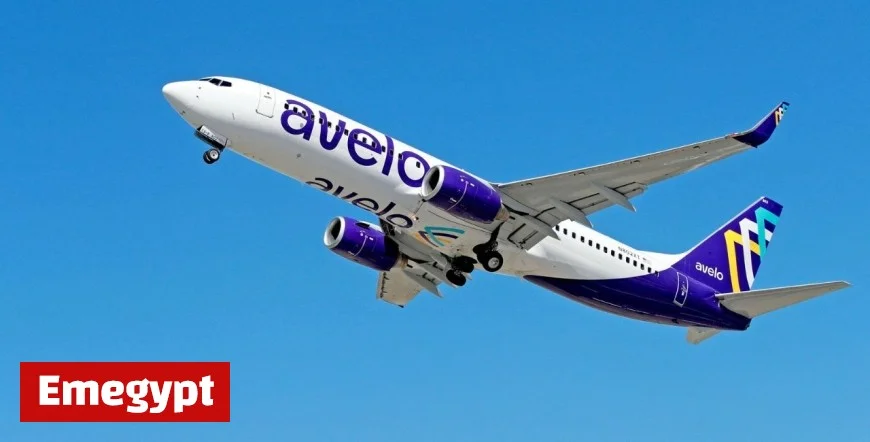
Avelo has cast its broader strategy as a network refocus designed to emphasize underserved East Coast markets, leisure destinations, and simpler operations. That pivot has included closing a West Coast base and pruning routes that underperformed, while seeding new service in the Southeast and launching the first international flight from at least one coastal airport. Fleetwise, the carrier continues to fly Boeing 737s with a single-cabin layout, touting low base fares with paid add-ons for seating and bags.
The company has acknowledged the political sensitivity around deportation charters but argues the work is legal and contracted, and that commercial choices are driven by utilization and demand. Critics counter that public dollars and airport incentives should not coexist with deportation work, making the dispute as much about local policy as it is about airline strategy.
Network whiplash: exits, adds, and what travelers will notice
Recent weeks have brought multiple schedule changes:
-
Route exits: The airline has wrapped or scheduled the end of several niche routes, including a short-lived Florida–Long Island link and other seasonal pairings.
-
East Coast concentration: More flying is being shifted to bases serving the Mid-Atlantic and Southeast, with fresh links to Florida, the Carolinas, and selected Midwest metros.
-
International toe-dip: New near-international service has been timed for the holiday and winter-sun windows, with twice-weekly patterns typical for a leisure play.
For customers, the practical takeaway is volatility: some city pairs won’t return after the holidays, while others are posting inaugural flights in December and early 2026. If you’re holding future travel, watch email notifications closely for time changes or route cancellations that trigger refunds or rebooking options.
Why the protest movement gained traction now
Three currents have converged:
-
Holiday visibility: Peak travel amplifies a protest’s reach; pickets outside baggage claim reach more eyes than off-season actions.
-
Local politics: County contracts, marketing subsidies, and airport-use agreements have become leverage points for activists pressuring officials to reconsider public support.
-
Corporate repositioning: As Avelo trims in one region and expands in another, communities losing service and those gaining it both feel invested in the company’s choices—raising the stakes of the ICE debate.
Organizers plan additional events through December, including teach-ins, petitions, and calls for official hearings at targeted airport boards.
If you’re flying Avelo this month: practical notes
-
Check status often: Rapid network edits mean schedule shifts are more likely; turn on app notifications and recheck 24 hours before departure.
-
Know your rights: A canceled flight generally entitles you to a refund to the original form of payment; accept rebooking only if the timing suits you.
-
Budget the airport approach: Protests may slow curb traffic; arrive early and use signed detours if police redirect lanes.
-
Mind the add-ons: Low base fares grow with seats, bags, and priority boarding—price the full journey before you click buy.
The bigger picture: low-cost carriers in a high-cost era
Ultra-low-cost airlines are navigating higher fuel, maintenance, and financing costs, while legacy rivals have leaned into premium cabins and loyalty ecosystems that lock in spendy travelers. In that squeeze, ULCCs chase thin but promising markets, searching for airport partners and incentives that make marginal routes pencil out. Avelo’s ICE work, supporters argue, shores up aircraft utilization and cash flow; opponents say such revenue is incompatible with publicly supported airport growth. The outcome will depend not only on customer sentiment but also on how local officials weigh economic development against community standards.
For now, Avelo’s winter story is a paradox: a carrier simultaneously adding new dots to the map, pulling down others, courting bargain hunters with holiday deals—and confronting a loud, coordinated challenge to one of its most controversial contracts. Whether the protests translate into material changes will hinge on sustained turnout, decisions by airport boards and county leaders, and the airline’s own read on brand risk versus operational flexibility as the new year begins.