












Court Rules Alina Habba Unlawfully Served as Top Prosecutor in NJ, Hitting Trump

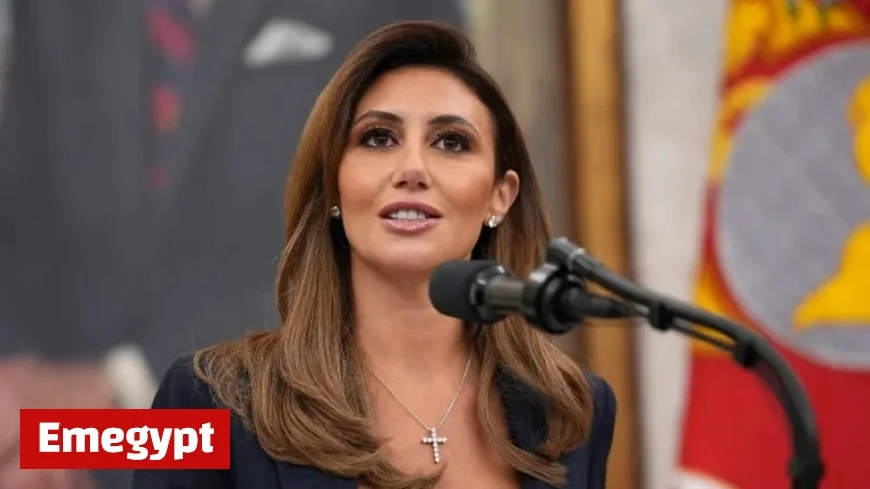
An appellate court has ruled that Alina Habba is unlawfully serving as the top prosecutor in New Jersey, marking a significant setback for former President Donald Trump. The U.S. Court of Appeals for the Third Circuit issued a unanimous decision stating that a lower court correctly disqualified Habba from her position. This decision affects Trump’s strategy to retain appointed U.S. attorneys in Democratic-led states.
Court Ruling Details
The court’s ruling was outlined in a 3-0 decision. It affirmed that the Department of Justice’s method of reinstating Habba in her role was unconventional. Habba served as Trump’s personal defense lawyer prior to her appointment.
On October 17, 2023, a three-judge panel reviewed Habba’s appointment. The judges expressed skepticism about the arguments presented by DOJ lawyer Henry Whitaker, who contended that Attorney General Pam Bondi had the authority to fill the vacancy left by the previous court-appointed U.S. attorney.
Legal Challenges Ahead
In light of this ruling, Trump may appeal for a full panel review by the Third Circuit or may escalate the issue to the Supreme Court. Habba’s situation is part of a broader concern regarding Trump’s nominees facing legal hurdles in various states.
- Other temporary U.S. attorneys facing similar challenges include Lindsey Halligan in Virginia and Bill Essayli in California.
Habba’s case raises serious constitutional questions. During the hearings, one judge remarked on the unusual nature of the circumstances surrounding her appointment. The implications of this decision could reverberate through future appointments not only for U.S. attorneys but also for district judges across the country.
Senate Approval Issues
Habba’s inability to secure Senate confirmation played a key role in the court’s consideration. Both New Jersey’s Democratic senators, Cory Booker and Andy Kim, opposes her nomination, which is significant under the Senate’s blue slip tradition. This tradition requires that home state senators approve nominees before they can ascend to roles such as U.S. attorney.
Trump’s frustrations with this process are evident, especially following his decision to dismiss former U.S. Attorney Erik Siebert. The confrontation over blue slip approvals has created a stalemate, complicating Trump’s efforts to place his preferred judges and attorneys into these critical positions.
The situation remains dynamic, and further developments are expected as Trump’s administration navigates the legal landscape concerning these appointments.