










Court Rules Alina Habba Unlawfully Serving as NJ US Attorney

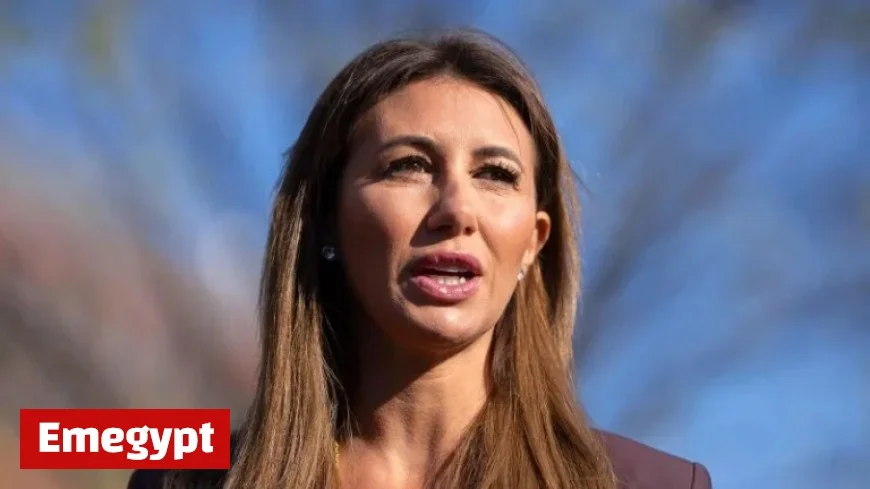
A federal appeals court has ruled that Alina Habba, previously President Donald Trump’s personal attorney, is unlawfully serving as the U.S. Attorney for New Jersey. This ruling represents a significant setback for the Trump administration, potentially impacting other federal appointments nationwide.
Court Decision Overview
On Monday, a three-judge panel from the 3rd U.S. Circuit Court of Appeals upheld a lower court’s conclusion that the Trump administration violated legal protocols in appointing Habba. This came after the administration failed to secure Senate approval for her position.
The panel’s unanimous decision emphasized, “Under the Government’s delegation theory, Habba may avoid the gauntlet of presidential appointment and Senate confirmation and serve as the de facto U.S. Attorney indefinitely.” The judges argued that this interpretation circumvents the constitutional requirements for appointments and confirmations.
Implications and Future Challenges
This case marks the first instance where a federal appeals court has challenged the Trump administration’s procedures for selecting U.S. attorneys. While the ruling directly applies to New Jersey, Pennsylvania, Delaware, and the U.S. Virgin Islands, such appellate court decisions often influence wider legal standards across the country.
There remains a possibility that this case will escalate to the U.S. Supreme Court. Other recent rulings have also found U.S. attorneys in California and Nevada serving unlawfully, adding weight to these legal controversies.
Legal Precedents and Related Cases
In a related development, recent district court rulings have indicated that criminal cases within the jurisdictions where U.S. attorneys have been found unlawfully appointed have continued. However, there have been instances where judges postponed trials or sentencing in light of these legal issues.
- District court judges ruled against U.S. attorneys in California and Nevada.
- Challenges to Trump’s U.S. attorney appointees have focused on legal compliance.
- Other cases have not resulted in the dismissal of indictments, as different prosecutors are involved.
Background on Alina Habba’s Appointment
Earlier this year, Trump appointed Habba as the interim U.S. attorney for New Jersey. As her temporary appointment neared expiration, it became apparent that judges would not formally appoint her. Following this, she resigned, and Attorney General Pam Bondi named her a special attorney, designating her as the first assistant U.S. attorney and granting her U.S. attorney authority. This delegation process is now under considerable scrutiny.
The appellate ruling raises significant questions about the legality of the Trump administration’s methods for appointing U.S. attorneys. The outcomes of ongoing appeals could set important precedents for future appointments and the legal framework surrounding them.