














SCOTUS Evaluates Constraints on Presidential Authority to Dismiss Federal Officials

The U.S. Supreme Court is set to review two pivotal cases regarding presidential authority to dismiss federal officials. The cases, Trump v. Slaughter and Trump v. Cook, are scheduled for December 8 and January 21, respectively. These hearings may significantly redefine the legal framework surrounding the removal of executive branch officials.
Presidential Authority and the Unitary Executive Theory
President Donald Trump has argued for a broad interpretation of his powers as a “unitary executive.” This view suggests he has the authority to terminate any official within the executive branch. Current laws allow for presidential firings, but they also permit Congress to impose restrictions in specific situations.
Historical Context of the Removal Power
The concept of removal power has evolved through several Supreme Court cases over the last century. The landmark decision Myers v. United States (1926) stated that the president could remove officials, provided he consulted the Senate for certain appointments. However, this view saw notable modifications in subsequent cases.
- Humphrey’s Executor v. United States (1935): The Court unanimously upheld Congress’s ability to limit the removal of Federal Trade Commission commissioners.
- Wiener v. United States (1958): The Court ruled that even without specific legislation, presidents could not remove officials when independence from the executive is necessary.
Recent rulings have indicated a shifting perspective among the Supreme Court’s justices, particularly following Trump’s executive actions that assert presidential dominance over federal agencies. An executive order from February 18, titled “Ensuring Accountability for All Agencies,” affirmed that the president can fire officials without adhering to statutory removal requirements.
Current Cases Before the Supreme Court
In Trump v. Slaughter, the Court will assess the constitutionality of regulations that restrict the removal of Federal Trade Commission commissioners. The issues for consideration include:
- Does the statute limiting FTC commissioners’ removal infringe on the separation of powers?
- Can federal courts prevent the removal of public officials through legal or equitable relief?
In January, the Court will hear Trump v. Cook, which involves the removal of Lisa Cook from the Federal Reserve Board under circumstances where current legislation mandates cause for dismissal. Both cases are poised to address crucial questions about presidential authority and the limits of executive power.
Implications for Separation of Powers
The outcome of these cases could have substantial implications for the separation of powers doctrine in the United States. The Court’s earlier decision in Trump v. Wilcox, which temporarily allowed President Trump to dismiss two federal officials, showcased a trend that might echo through future rulings.
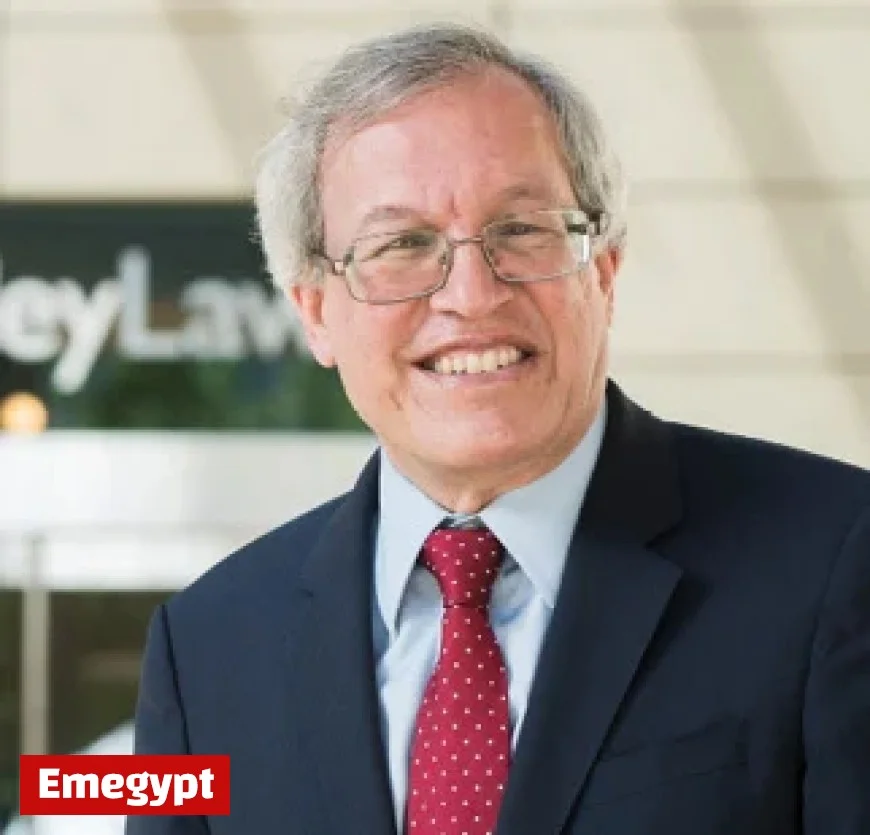
Experts, including Erwin Chemerinsky, dean of the University of California, Berkeley School of Law, stress the significance of these upcoming decisions for the balance of power among branches of government. They could reshape the legal landscape governing who holds authority over federal officials and how that authority can be exercised in practice.
This evolving narrative around presidential powers underscores the ongoing debate in American governance regarding accountability, independence, and the bounds of executive power.