







Mammoth Series 2 Review Discover the Subversive Thrill of Offensive Comedy

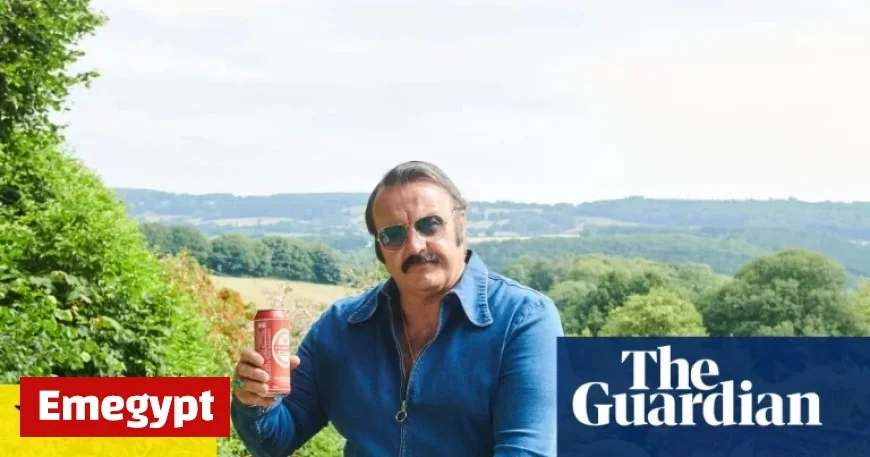
The world of comedy often reflects the complexities of society. However, recent years have seen a decline in political satire and the prevalence of humorous critiques on contemporary culture. Despite these challenges, viewers are once again given a unique opportunity to explore social norms through the lens of humor with the new series, *Mammoth*, created by Welsh comedian Mike Bubbins.
Mammoth: Exploring the Subversive Thrill of Offensive Comedy
In *Mammoth*, Bubbins stars as Tony Mammoth, a PE teacher who faced a tragic incident during a skiing trip in 1979 when he was buried in an avalanche. After being unearthed decades later, he finds his outdated views and values preserved alongside his middle-aged body. The show cleverly juxtaposes Mammoth’s antiquated beliefs against modern society’s norms, presenting both absurdity and a nod to critical thought.
Plot Overview
In the first series, Mammoth experiences fleeting fame before returning to teaching. His outdated teaching methods include dangerous games and questionable parenting advice, such as serving piña coladas at school events. He also grapples with contemporary youth, including a student named Theo, who claims video games have affected his physical abilities.
The return of the show in its second series features a deeper exploration of relationships. The storyline reveals that Mel, played by Sian Gibson, is not just a background character but Mammoth’s daughter, with Theo being his grandson. The comedic value lies in Mammoth’s interactions with his new family and friends, including Roger, portrayed by Joseph Marcell, and the challenges they face together.
Character Dynamics and Themes
- Mammoth’s Masculinity: The show critiques toxic masculinity through Mammoth’s outdated views and selfish antics.
- Generational Gap: The clash between Mammoth’s perspective and modern ideals highlights societal shifts.
- Humor Through Absurdity: The series achieves laughter through the absurdity of Mammoth’s lifestyle choices, such as his fondness for drinking Cinzano.
Compelling moments arise when Mammoth confronts changes in societal expectations, such as a love interest’s preference for yoga retreats. This evokes a nostalgic yet subversive thrill for viewers, aligning them with Mammoth’s perspective despite it being portrayed as outdated.
Character Depth and Performance
While Bubbins shines as the central figure, other characters struggle to leave a lasting impact. Theo, portrayed by Joel Davison, lacks the energy to match Mammoth’s charisma. Mel’s character, notable for her shrill demeanor, often seems one-dimensional, which detracts from the overall comedic rhythm.
Nonetheless, Bubbins’ dedication to his character provides depth and authenticity. The series resonates particularly with those who share a nostalgic connection to the 1970s, evidenced by moments such as Mammoth’s disdain for alcohol-free beer, demonstrating the comedy rooted in generational clashes.
The Future of *Mammoth*
As the show progresses, there is potential for character development. While the humor may grow repetitive, there is anticipation for Mammoth’s evolution. Would it be satisfying to see him adopt more modern sensibilities? Or does the charm lie in his unwavering commitment to outdated ideals?
*Mammoth* airs on BBC Two and is available for streaming on iPlayer. It’s a compelling watch for those seeking a blend of nostalgia, humor, and social commentary on the subversive nature of offensive comedy.