


















Exploring ‘Rage Bait’: 2025 Oxford Word of the Year Explained

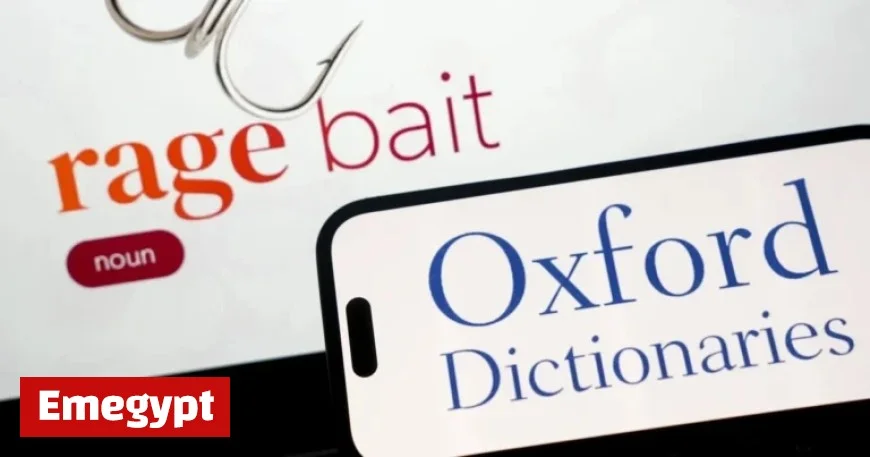
Oxford University Press has highlighted a pressing issue in today’s digital culture by selecting “rage bait” as its Word of the Year for 2025. This term captures the intent behind certain online content designed specifically to provoke anger and outrage, ultimately boosting engagement on websites and social media.
Understanding ‘Rage Bait’
The Oxford experts define rage bait as content created to be frustrating, provocative, or offensive. This angers audiences in a way that escalates traffic and interaction with particular web pages or social media posts. The selection of this term reflects a growing concern over the darker aspects of internet interactions.
Selection Process for Word of the Year
Over 30,000 individuals participated in the voting process for the Word of the Year. Oxford’s experts combined these votes with public sentiment and their analysis of lexical data. They noted that the choice of “rage bait” also mirrors a year filled with social unrest, ongoing debates about digital content regulation, and a heightened concern for online well-being.
- Rage bait usage has tripled in the last year.
- It outpaced other terms, such as “aura farming” and “biohack.”
Historical Context of ‘Rage Bait’
The term “rage bait” is not entirely new. Its first recorded use dates back to 2002 in a Usenet post. Initially, it described a type of provocation during driving situations, emphasizing the concept of “deliberate agitation.”
Modern Implications of ‘Rage Bait’
In contemporary discussions, “rage bait” has evolved to identify certain viral content, particularly on social media platforms. It often criticizes creators who deliberately craft content aiming to incite negative reactions. This type of content is increasingly seen as a strategy for generating engagement through angst.
The Rise of ‘Rage Farming’
Linked to rage bait is the concept of “rage farming.” This practice involves creating and sharing misleading content to manipulate audience reactions, further driving engagement through anger. This trend highlights how specific content strategies can significantly influence emotional responses online.
Casper Grathwohl, president of Oxford Languages, remarked that the emergence of the term “rage bait” reflects deeper societal questions regarding online and offline identities. He noted that the internet’s focus has shifted from curiosity-driven engagement to manipulating emotions for greater influence over audience behavior.
Conclusion
The selection of “rage bait” as Oxford’s Word of the Year for 2025 serves as a critical reminder of the complexities and challenges of digital communication. It reveals how content creators use deliberate provocation to drive engagement, urging us to consider the ethical implications of such practices.