















Local Variations Significantly Impact Space Weather’s Effect on Safety, Technology Systems

Understanding space weather is crucial for assessing its effects on safety and technology systems. Recent research highlights significant local variations in how space weather impacts different regions. A notable study, led by Doctoral Researcher Otto Kärhä from the University of Oulu, emphasizes the need for a more extensive measurement network to address these regional differences.
The Importance of Comprehensive Measurement Networks
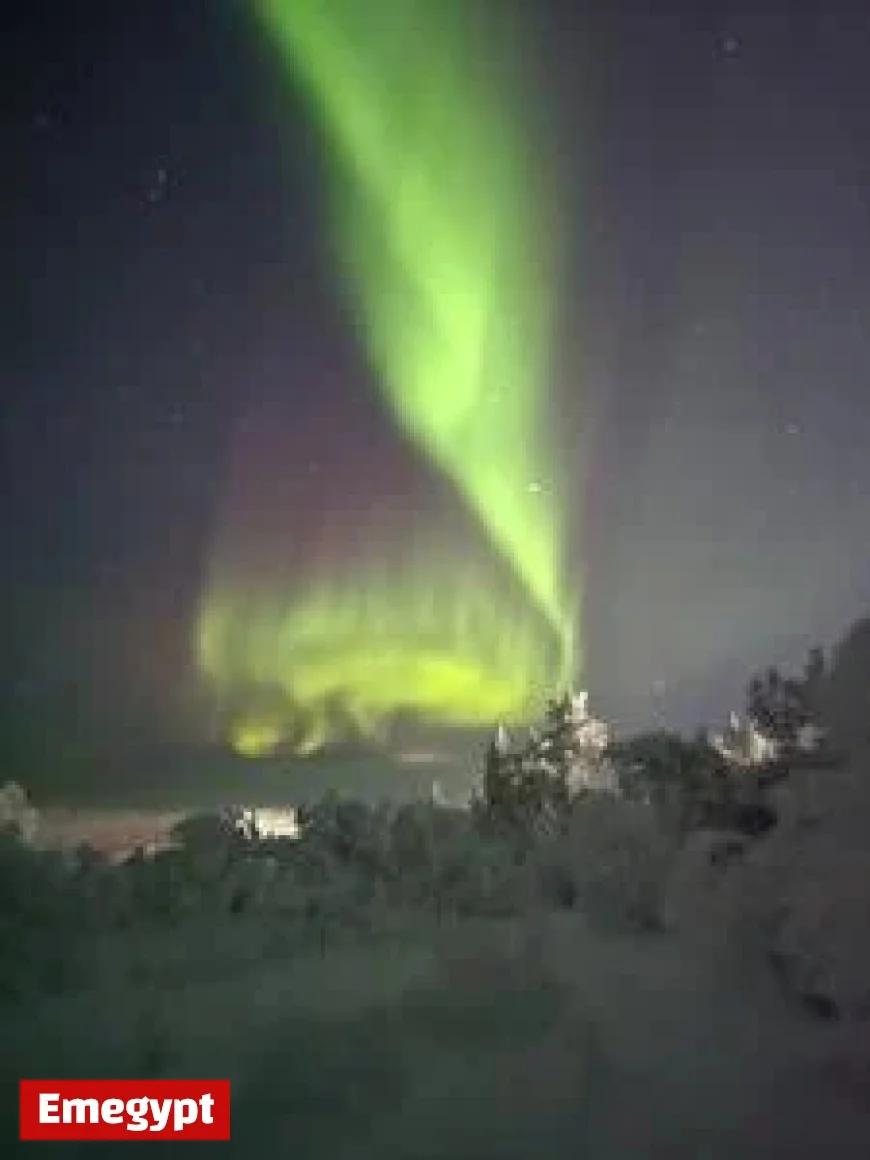
Space weather refers to the interactions between the solar wind and Earth’s magnetic field. These interactions can lead to geomagnetic storms that affect power transmission and communication systems. Kärhä notes, “The impacts of space weather can vary greatly from one area to another.”
- Current measurement networks are sparse, particularly in southern Finland and Arctic sea regions.
- A robust network is essential for accurately assessing space weather impacts on infrastructure.
Variability of Geomagnetic Disturbances
Kärhä’s research examines how significant differences in geomagnetic storm-time variations can occur between measurement stations located near each other. For instance:
- During a geomagnetic storm in October 1977, variations exceeded 500 nanoteslas over just 170 kilometers.
- The Halloween superstorm in 2003 recorded a difference of 1,200 nanoteslas over 160 kilometers.
These findings indicate that local disturbances can significantly differ even within short distances, underscoring the importance of localized data for assessing risks.
Implications for Global Safety
As solar cycle activity decreases, the probability of future magnetic storms is expected to rise. Understanding these phenomena is vital for global safety. However, Kärhä warns that distinguishing natural geomagnetic disturbances from human-made interference has become increasingly critical, especially in today’s geopolitical climate.
Research Methodology
Kärhä’s dissertation utilizes both modern digital techniques and extensive historical data originally recorded on 35 millimeter film. This innovative digitization method has allowed for the conversion of approximately 40 kilometers of magnetic field variation data into digital formats for future research.
Upcoming Dissertation Defense
Otto Kärhä will defend his doctoral thesis titled “From Strong to Superstorms: Regional Effects and Spatial Geomagnetic Gradients Driven by Extreme Space Weather” on November 28, 2025, at the University of Oulu. The defense will feature Professor Pieter Kotzé from North-West University as the opponent, with Professor Eija Tanskanen acting as custos. Attendees can join the defense in person at the Linnanmaa campus or online.
In conclusion, expanding monitoring networks is crucial for better understanding the localized effects of space weather on safety and technology systems. This research poses important questions about our preparedness for future geomagnetic events.