
















Alert for Shoppers Inflation Threatens to Keep Prices High for Months

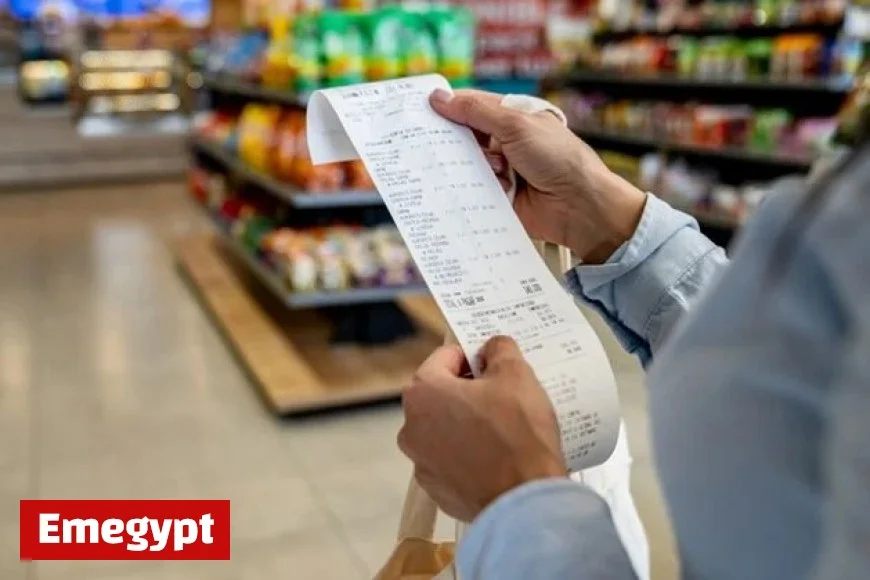
The economic landscape in Ireland has recently faced challenges as inflation rates have surged. For the first time in two years, the annual inflation rate has soared above 3 percent, reaching an estimated 3.2 percent in November. This marks the highest level of inflation since December 2023, largely driven by increases in energy tariffs and food prices.
Inflation Trends in Ireland
According to the Central Statistics Office (CSO), prices in Ireland have risen by 3.2 percent over the past year. Surprisingly, there was a 0.2 percent decline in prices when compared to October’s figures. This inflation spike follows an October budget announcement where the government had assured citizens that price increases had reached their peak.
Government Insights and Economic Forecasts
The former finance minister, Paschal Donohoe, asserted that inflation had “normalized” and predicted a rate of approximately 2 percent in the upcoming months. He noted this forecast contributed to the absence of one-off cost-of-living measures previously implemented.
Components Influencing Inflation
- Energy Prices: Increased by 0.7 percent in November and up 3.3 percent over the last year.
- Food Prices: Reported stable for the month but increased by 4.2 percent annually.
- Transport Costs: Rose by 0.1 percent monthly and 3 percent year-on-year.
Several energy providers, including Bord Gáis Energy, Energia, Pinergy, and SSE Airtricity, raised their electricity prices last month. This added to public concerns as household budgets come under pressure, especially nearing the Christmas season.
Expert Opinions on Future Inflation
Economist Dan O’Brien, chief economist at the Institute of International and European Affairs in Dublin, commented on the stubborn nature of inflation. He believes that it might linger around the 3 percent mark for several more months, potentially up to six, but unlikely to escalate to 5 percent as the economy shows signs of softening. O’Brien noted that prices in Ireland could align more closely with those across the European Union in the future.
Statistician Anthony Dawson emphasized that the CSO’s recent “flash” HICP estimate indicates that consumer goods and services have experienced notable price increases. Transport costs, as highlighted, have witnessed spikes due to additional tax measures implemented in the recent budget.
As inflation continues to pose challenges, consumers should remain vigilant regarding price increases affecting their daily expenses and household budgets.