
















Address Global Mining Abuses with New Opportunities

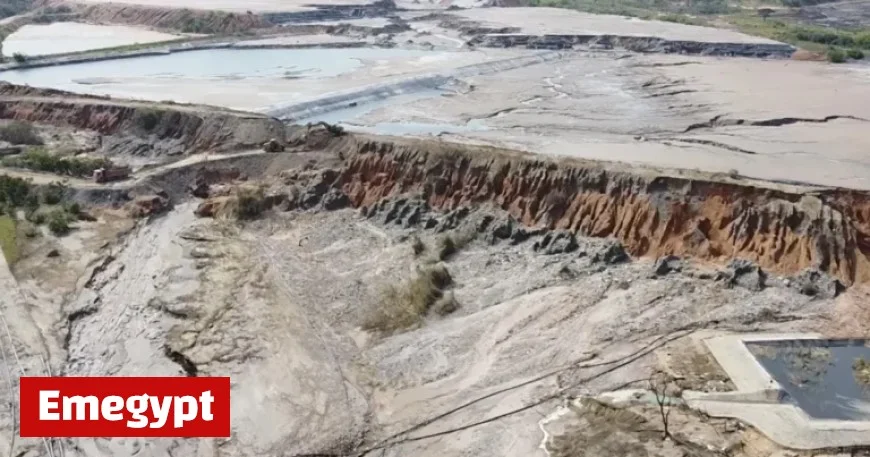
In February 2023, a significant environmental disaster occurred at a Chinese copper mine in northern Zambia. The event, which involved the bursting of a dam, released toxic waste into a nearby river, leading to grave consequences for local ecosystems and communities.
Impact of the Mining Disaster
Norbert Amoya, a 29-year-old resident, experienced the aftermath firsthand. While collecting water, he discovered dead fish and a foul odor emanating from the river. This incident posed severe health risks, including cancer, to local residents, threatening their livelihoods and the health of Zambia’s largest river ecosystem.
Global Response to Mining Abuses
In response to such incidents, the United Nations Environment Assembly convened to discuss preventative measures. The Colombian government took the lead in proposing a new global treaty aimed at tackling environmental risks associated with mining activities. This treaty focuses on ensuring due diligence and traceability in mineral supply chains.
- Colombia initiated the proposed treaty to combat mining-related environmental risks.
- Other supporting nations include Armenia, Ecuador, Oman, and Zambia.
- The initiative emphasizes the environmentally sound management of minerals and metals.
As environmental protections weaken, particularly in the United States and the European Union, this proposal has garnered support from civil society organizations such as Human Rights Watch. Colombia and its allies suggested forming a United Nations working group to explore both binding and non-binding measures for the treaty.
Challenges Ahead
Negotiations at the assembly may face challenges, as some countries, including Saudi Arabia, Iran, and Russia, oppose binding agreements. Evidence shows that voluntary measures alone are inadequate to safeguard human rights and environmental health.
- Zambia reported insufficient compensation and a lack of transparency from the Chinese mining company involved.
- Investigations revealed attempts to suppress findings on the disaster’s full impact.
As global demand for minerals grows, especially for energy transition and technology, it becomes crucial for governments to protect the environment and uphold human rights within mineral supply chains. All participating nations must support Colombia’s initiative for a binding minerals treaty to ensure sustainable practices in mining.