


















African Nations Face Critical Test Amid Major Toxic Spill Linked to China

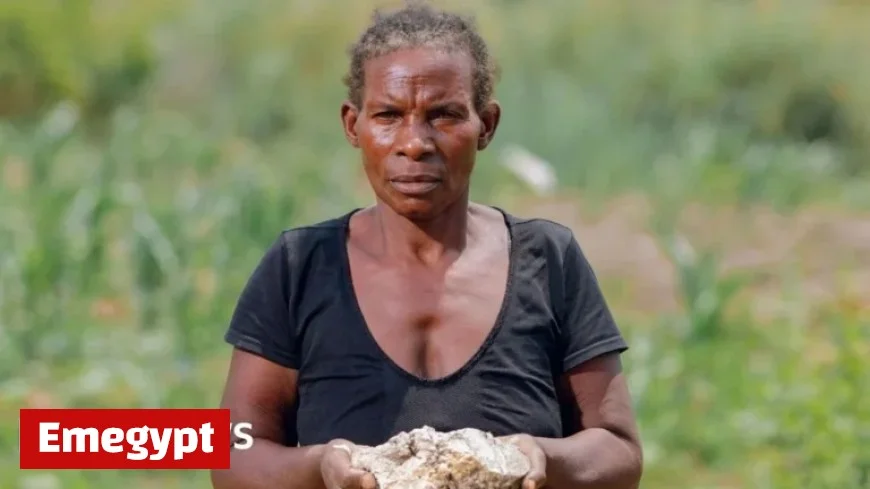
The recent toxic spill at a copper mine in Zambia has raised significant concerns for the local agricultural and environmental landscape. This incident occurred in February when a tailings dam at the Sino-Metals Leach Zambia mine, owned by a Chinese state-owned enterprise, collapsed. This event has compromised the safety of the surrounding waterways and farmland, leading to accusations of environmental negligence.
A Major Toxic Spill: Key Facts
- Date of Incident: February 2023
- Location: Sino-Metals Leach Zambia, Copperbelt Province, Zambia
- Tonnage of Toxic Spill: Officially reported at 50,000 tonnes; environmentalists estimate up to 1.5 million tonnes
- Major Impacts:
- Contamination of waterways and agricultural land
- Death of local fish populations
- Impact on the health of local residents
- Litigation: 176 farmers have filed an $80 billion lawsuit against Sino-Metals
- Job Impact: More than 30,000 jobs linked to Chinese investments in Zambia
Health and Environmental Concerns
The spill has raised alarms regarding the long-term health risks associated with heavy metal contamination. These metals can lead to kidney damage and various cancers. Dr. Mweene Himwiinga, a senior lecturer at Copperbelt University, has voiced concerns that untreated contamination could pose risks to both agricultural productivity and public health.
Government and Corporate Response
The Zambian government and Sino-Metals have been at the forefront of addressing the crisis, with government officials claiming that the pollution was contained. However, reports suggest ongoing fears of secondary pollution due to seasonal rains that may exacerbate the situation.
- Government Actions:
- Sampled 21 sites for heavy metal concentration
- Initiated planting of trees to reduce environmental impact
- Compensation paid to affected households
- Sino-Metals Commitments: Promises of borehole construction and compensation to local farmers
International Implications and Future Directions
The augmented scrutiny of Chinese investments in Africa has emerged as a crucial topic. As Zambia grapples with a $5 billion debt to China, there is a growing call for stricter industry oversight. Critics have argued that environmental laws must take precedence in contracts involving foreign investments to prevent future tragedies.
China’s role as a major investor in Africa means that how Zambia navigates this crisis could potentially set a precedent for how challenges with foreign corporations are managed throughout the continent. Many observers note, however, that strengthening local laws to hold foreign investors accountable is essential for sustainable development.
The ramifications of this toxic spill extend beyond environmental health. They create a broader discussion about beneficial investments and how African nations can assert their rights in international dealings, especially when it comes to safeguarding their land and people.