
















Discover the 2025 Cold Supermoon The Year’s Final and Highest Full Moon Phenomenon

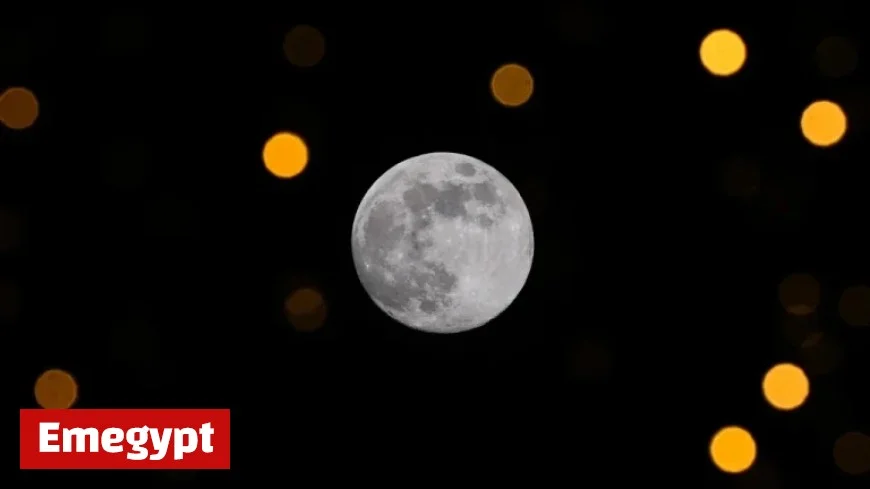
Astrophiles are gearing up for an exceptional event this week with the arrival of the Cold Supermoon. This astronomical phenomenon marks the last and highest full moon of 2025. Officially achieving its full stage at 6:14 p.m. EST on December 4, the Cold Supermoon will rise in the east within the Taurus constellation.
Understanding the Cold Supermoon
The Cold Supermoon is so named for its seasonal timing during December. It is the second-largest full moon of the year, following November’s Beaver Moon. Supermoons occur when the moon reaches perigee, its closest point to Earth. This phenomenon causes the moon to appear approximately 10% larger than an average full moon.
Viewing Recommendations
- The moon will appear particularly majestic at moonrise on December 4.
- It will also remain bright and visually striking the days surrounding this date, especially on December 5, around an hour after sunset.
- Those interested can utilize binoculars or small telescopes to enhance their viewing experience.
Winter Solstice Connection
The Cold Supermoon coincides with the winter solstice on December 21. During this time, the sun is positioned low in the sky, making the full moon appear exceptionally high during the night. This unique arrangement offers a fascinating contrast between the sun and the moon’s positions.
Historical Names for December’s Full Moon
December’s full moon has various names rooted in Native American culture. Some of these include:
- Frost Exploding Trees Moon (Cree)
- Moon of the Popping Trees (Oglala)
- Moon When the Deer Shed Their Antlers (Dakota)
- Winter Maker Moon (Western Abenaki)
- Cold Moon (Mohawk)
- Long Night Moon (Mohican)
In addition, Old English and Anglo-Saxon traditions refer to it as the Moon Before Yule or the Long Night Moon.
Upcoming Astronomy Events
Looking ahead, the next full moon will be the Wolf Moon, occurring on January 3, 2026. It will be the fourth and final supermoon in a consecutive series. This event also marks the beginning of a year with 13 full moons, notably including a Blue Moon in May 2026.
Skywatchers and enthusiasts alike should prepare for the Cold Supermoon, the year’s final and most awe-inspiring full moon. Observing this celestial event offers a remarkable opportunity to appreciate the wonders of our universe. Stay tuned for more updates and insights on future astronomical phenomena.