
















Explore the Majestic December Skies Over the Gulf Coast

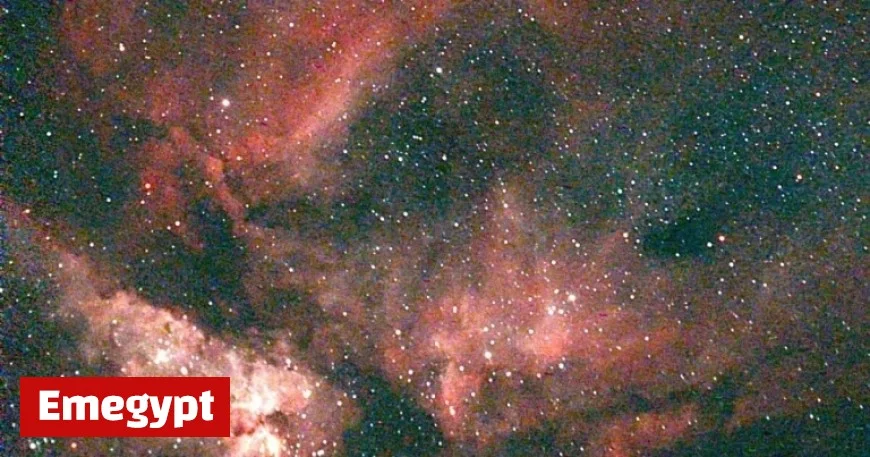
December is an exciting month for sky watchers along the Gulf Coast, with a series of celestial events unfolding. The highlight is the Full Moon, known as the Yule Moon, which occurs on December 4, marking the second-largest supermoon of the year.
Key December Celestial Events
The Yule Moon will be prominently positioned southwest of Jupiter on the evening following its peak. Additionally, it will sit below the star Pollux in the Gemini constellation, creating an ideal opportunity for photography enthusiasts to capture this beautiful sky formation.
Last Quarter Moon
The last quarter moon will appear on December 11, setting the stage for the Geminids meteor shower peaking overnight on December 14. During this time, the moon will be a waning crescent positioned beneath the star Spica, ensuring the meteor shower can be observed without significant light interference.
Upcoming Lunar Phases
- December 17: The crescent moon will be visible near Mercury before dawn.
- December 19: The moon transitions into the new phase.
- December 21: The Winter Solstice occurs at 9:03 AM CST, marking the shortest day of the year.
- December 25: The moon returns to the evening sky as a thin crescent.
- December 27: It reaches the first quarter phase in the southern sky.
Planets and Constellations to Observe
Throughout December, several planets will be visible. Mercury can be seen in the dawn sky until December 17, while Venus will be obscured by the sun. Mars currently lies on the far side of the sun, making it difficult to observe.
Jupiter is particularly prominent this winter, soon reaching opposition in early January. Meanwhile, Saturn will be a worthy target for telescope users, positioned in the southern sky within the Aquarius constellation.
Notable Constellations
Skywatchers can look forward to observing familiar constellations, such as Orion, which is especially prominent in the eastern sky at dusk. The red supergiant Betelgeuse marks Orion’s shoulder, while Rigel is positioned at its knee. Below Orion’s belt is the Great Nebula (M-42), a well-known stellar nursery.
Exploring Southern Sky Wonders
For enthusiasts interested in venturing further into astronomy, the southern sky holds breathtaking views. Observing the Magellanic Clouds, two of the Milky Way’s companion galaxies, can be a highlight. Expect to see 47 Tucanae, a globular cluster notable for its beauty, along with other celestial features that soar over southern regions.
Enhancing Your Stargazing Experience
Using mobile apps such as Nocturne can enhance your stargazing experience, allowing users to identify stars, constellations, and mythological figures in the sky. Attending local astronomy events can also provide valuable insights and opportunities to connect with fellow astronomy enthusiasts.
The events in December present a unique chance to explore the majestic December skies over the Gulf Coast. Whether you’re photographing the celestial wonders or simply enjoying the spectacle, this month offers plenty of opportunities to engage with the night sky.