







White House Features Sabrina Carpenter’s ‘Juno’ Song in ICE Deportation Video

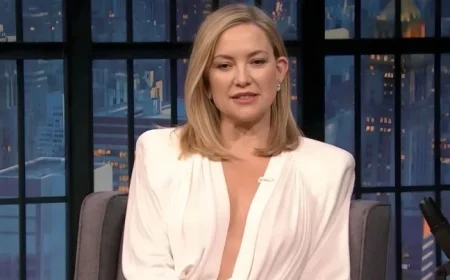
The use of music in political contexts can raise eyebrows, as seen recently with Sabrina Carpenter’s hit song “Juno.” During her Short ‘n Sweet tour, Carpenter playfully interacted with fans by “arresting” audience members while performing this catchy track. The tour, which concluded in November, featured over 70 shows and marked a highlight in Carpenter’s career.
White House Uses Carpenter’s ‘Juno’ in ICE Video
Recently, the White House incorporated “Juno” in a TikTok video addressing protests against ICE (Immigration and Customs Enforcement) raids. The montage depicted ICE agents making arrests of undocumented immigrants, providing a stark visual narrative. The White House captioned the video with lyrics from Carpenter’s song, specifically asking, “Have you ever tried this one? Bye-bye.”
Controversy Over Music Usage
The decision to feature Carpenter’s music has sparked questions regarding permission and approval. Representatives for both Carpenter and the White House have yet to comment on the matter. This incident isn’t isolated; other artists have similarly objected to the unauthorized use of their music by government entities.
- Olivia Rodrigo condemned the White House for using her song “All-American Bitch” in a video about self-deportation.
- Following her objection, Rodrigo stated, “Don’t ever use my songs to promote your racist, hateful propaganda.”
- Taylor Swift’s “The Fate of Ophelia” was used in a context that mixed images of Trump with military visuals.
Artist Reactions to Political Propaganda
The use of artists’ songs by the Trump administration has led to backlash from musicians across various genres. Many have sent cease-and-desist letters, urging the campaign to halt the unauthorized exploitations of their work. Notable critics include Céline Dion and the estate of Isaac Hayes, showcasing a growing dissent against the association of their music with political agendas.
This episode highlights the ongoing debate about the intersection of music and politics and raises important questions about artistic ownership and consent in the digital age.