








Sabrina Carpenter Criticizes Trump’s White House over ‘Juno’ in ICE Video

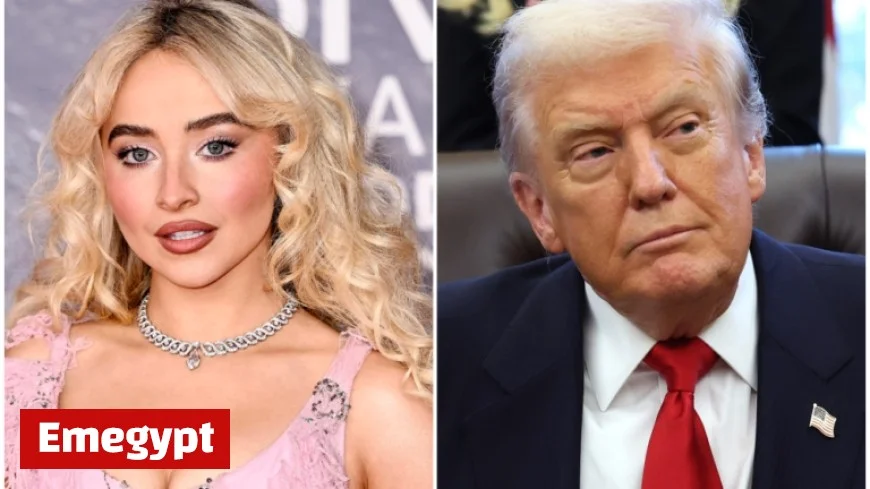
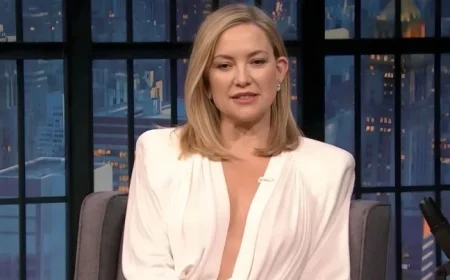
Sabrina Carpenter has publicly criticized the Trump administration for its use of her song “Juno” in a recent immigration-related video. The Grammy-winning artist condemned the video on X, calling it “evil and disgusting.” She firmly stated that she does not want her music associated with what she believes to be a harmful agenda.
Controversial Use of Music by the Trump Administration
The Trump White House has a history of utilizing popular songs from artists who oppose the administration. In the latest instance, Carpenter’s “Juno” was featured in a montage that depicted U.S. Immigration and Customs Enforcement (ICE) raids. The song’s lyrics were paired with footage of individuals being apprehended, evoking a strong reaction from its creator.
Responses from Artists
This situation mirrors a previous incident involving Taylor Swift. In November, the administration used her song “The Fate of Ophelia” in a similar video, even though Swift had often criticized Trump on social media. Unlike Carpenter, Swift did not publicly respond to the video’s use of her music.
Other artists have also voiced their disapproval of the administration’s use of their songs. In October, Kenny Loggins expressed his outrage over the use of “Danger Zone” in a video that portrayed Trump flying over protesters. His statement demanded the removal of the song, highlighting the unauthorized nature of its use.
- Kenny Loggins: Criticized unauthorized use of “Danger Zone”
- Jess Glynne: Called out the use of her song “Hold My Hand” in a promotion for ICE raids.
Glynne’s response was equally passionate, as she branded the White House’s actions as offensive. She asserted that her music promotes love and positivity, not division or hate.
Implications for Artists and Their Work
These instances raise significant questions regarding the use of artistic work without consent. Many artists are now becoming increasingly vocal about their rights and the implications of their music being tied to controversial agendas. The ongoing debates reveal the friction between artistic expression and political use, highlighting the need for artists to maintain control over how their work is utilized in public discourse.
As the discourse continues, the sentiments expressed by Carpenter and her peers may influence future interactions between musicians and political figures regarding the use of music in campaigns or promotional content.