

















Digital Barrier Blocks Beneficiaries from Social Security Access

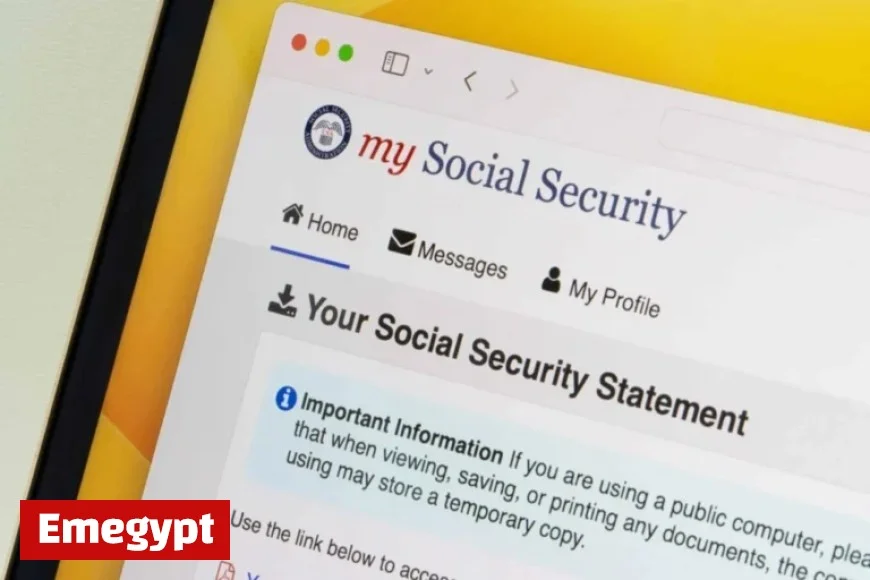
The Social Security Administration (SSA) is undergoing a significant transformation toward a digital identity system. This pivot poses serious accessibility challenges for millions of beneficiaries who cannot reliably use these digital methods. As the agency embraces modernization, it is simultaneously dismantling the in-person safety nets that traditionally assisted users. This raises vital concerns about the agency’s legal and operational capacity to mandate digital methods that many cannot satisfy, especially as in-person alternatives diminish.
Significance of Social Security Benefits
Over 71 million Americans rely on Social Security benefits each month, including seniors, disabled workers, and low-income individuals. These groups often face immense difficulties when interacting with modern digital services, many of which require stable financial and credit histories. The transition to a digital-first approach creates a significant barrier for these vulnerable populations.
Reduction in Field Office Services
Internal documents reveal that SSA plans to cut field office visits from 31 million to approximately 15 million annually, starting in fiscal year 2026. This change, driven by staffing cuts and budget limitations, highlights the agency’s shift toward a centralized digital service model.
- Field offices have lost nearly 2,000 employees and some have been reassigned to national phone lines.
- No new legislation has been passed to restore staffing for the upcoming fiscal years.
Challenges of Digital Verification
The agency’s digital access system relies on identity verification procedures that many beneficiaries find impractical or impossible. To use online services—like creating a my Social Security account—individuals must meet various authentication criteria. This includes providing credit histories and financial data.
- Seniors, constituting over 54 million beneficiaries, often lack the necessary broadband access and financial stability.
- Roughly 7.4 million low-income elderly, blind, or disabled Americans qualify for Supplemental Security Income (SSI) but face access barriers.
The Impact of Structural Changes
SSA’s operational model is transforming from in-person assistance to a reliance on digital channels. This shift can create a two-tiered system of service—one for those with strong digital literacy and resources, and another for those without.
As in-person services dwindle, claimants struggling with digital verification may find their ability to access essential benefits increasingly diminished.
Stakeholder Concerns
Concerns surrounding the proposed changes have led to vocal opposition from legal aid organizations, disability rights groups, and lawmakers. They argue that the digital verification requirements could systematically exclude older adults and those living in rural areas.
Sens. Ron Wyden and Elizabeth Warren have voiced strong criticism of staffing reductions and alterations to documentation requirements, emphasizing potential risks to service accessibility.
Data Insights and Recommendations
Current statistics underline how many Social Security beneficiaries face digital access challenges:
- Over 90% of beneficiaries encounter barriers related to technology use.
- Many older adults do not possess home broadband connections.
- Studies highlight that SSA has not adequately assessed the digital literacy of its beneficiary base.
As SSA’s modernization continues, it is crucial to reconsider how these initiatives affect service delivery, ensuring that all beneficiaries have fair access to necessary resources while safeguarding their rights.