








Connor Bedard Faces Backlash After Declining Autograph Request

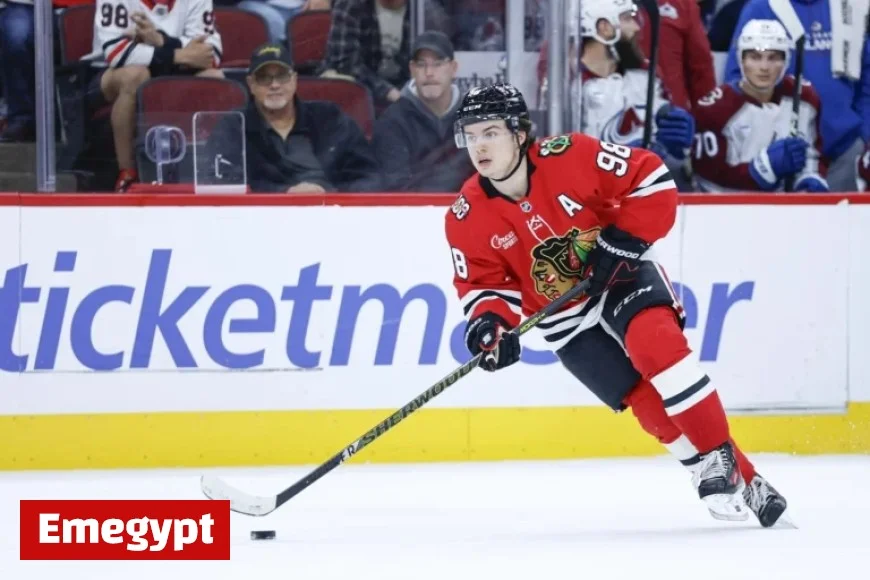
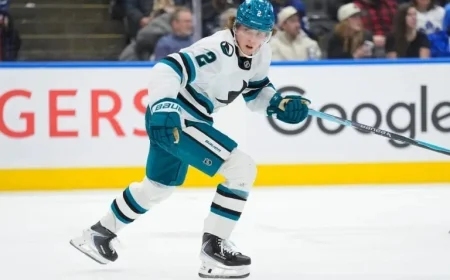
Connor Bedard is making headlines in the NHL this season with his impressive statistics. He has scored 13 goals and amassed 31 points over just 22 games. This performance has led to discussions about his potential inclusion in Team Canada’s roster for the upcoming 2026 Olympics in Milan.
Connor Bedard Faces Backlash for Autograph Interaction
However, Bedard has recently drawn negative attention due to a viral video showing his interaction with fans. Prior to a game against the Colorado Avalanche, Bedard was filmed leaving Ball Arena in Denver with teammates when fans requested autographs. One fan, holding issues of The Hockey News with Bedard on the cover, asked him for his signature.
Initially, Bedard declined, stating, “I’ve got to go.” Eventually, he agreed and signed the items, but not before the footage sparked discussions online. User @BeholdPaleH0rse shared the video, criticizing Bedard for his apparent lack of graciousness during the encounter.
Public Reaction and Autograph Culture
The incident has raised questions about autograph-seeking behaviors in sports. Many argue that the motivations behind such requests can be dubious. Often, individuals pursuing autographs are adults looking to resell signed memorabilia online, rather than young fans. This commercialization has complicated the traditional athlete-fan relationship.
- Bedard’s experience mirrors that of other athletes.
- Phil Kessel faced similar interactions during his time with the Toronto Maple Leafs.
- The dynamics of fan interactions often involve expectations and personal boundaries.
Many supporters defended Bedard, suggesting that he deserves privacy and should not feel obligated to fulfill every request. They noted that the adult nature of some autograph seekers can make such requests seem inappropriate. Some critics even condemned the individual filming the interaction, arguing that they disrespected Bedard’s personal space.
Navigating Fame and Fan Expectations
Despite fulfilling the autograph request, Bedard found himself at the center of public scrutiny. This incident highlights the challenges athletes face in managing their fame and navigating fan interactions. It also prompts broader discussions on what is considered acceptable behavior in sports fandom.
As debates continue, they shed light on the delicate balance between fans’ desires for memorabilia and the personal boundaries athletes rightfully expect. The fallout from Bedard’s encounter serves as a reminder of the complexities involved in the world of sports and celebrity culture.