


















San Francisco Takes Legal Action Against Kraft and Mondelez Over Ultra-Processed Foods

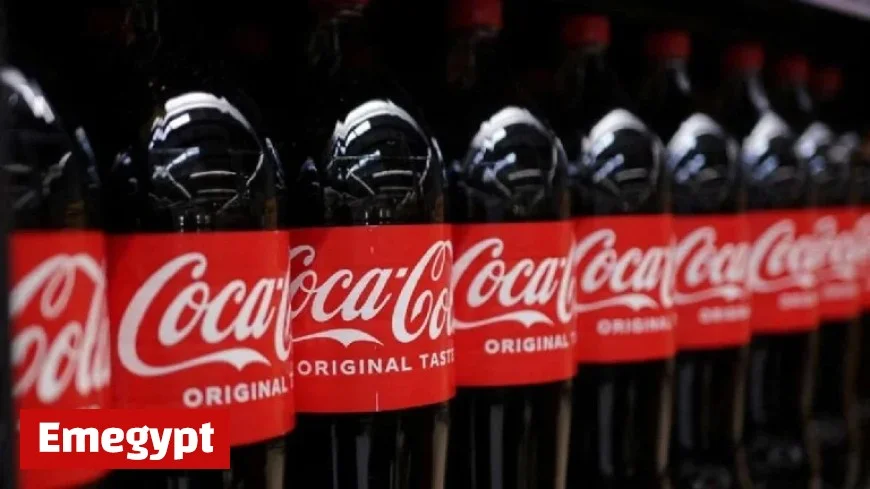
San Francisco has initiated legal proceedings against Kraft, Mondelez, Coca-Cola, and other manufacturers of ultra-processed foods. The city alleges that these companies are knowingly harming California’s residents with their addictive products.
Details of the Lawsuit
The lawsuit was filed by City Attorney David Chiu in the San Francisco Superior Court. It accuses these food corporations of employing tactics akin to those used by the tobacco industry. The aim is to create and market products designed to addict consumers.
Claims of Public Health Hazard
- The lawsuit highlights that ultra-processed foods contribute to rising obesity, cancer, and diabetes rates.
- Heart disease and diabetes, linked to these foods, are leading causes of death in San Francisco.
- Minority and low-income communities face higher diagnosis rates of these conditions.
Responses from the Companies
Representatives of Mondelez, Coca-Cola, and Kraft Heinz have not responded to inquiries regarding the lawsuit. Sarah Gallo, a senior executive at the Consumer Brands Association, emphasized the lack of an agreed definition for ultra-processed foods. She argued that labeling foods as unhealthy simply because they are processed can mislead consumers.
City’s Demands
San Francisco seeks restitution and civil penalties to offset healthcare costs. Additionally, the city aims to secure a court order preventing deceptive marketing practices by these companies.
Understanding Ultra-Processed Foods
Though the definition remains debated, ultra-processed foods generally comprise packaged snacks, sweets, and soft drinks. These items often contain little whole food and are made using various additives and industrial ingredients.
Significance of the Lawsuit
This lawsuit marks a precedent as the first instance of a city taking action against food companies over marketing addictive ultra-processed foods. San Francisco is represented by the law firm Morgan & Morgan, which previously dealt with a similar case in Pennsylvania.
Previous Case Context
The earlier lawsuit involved a plaintiff who attributed his Type 2 diabetes and fatty liver disease to ultra-processed food consumption. However, this case was dismissed when the court found no direct link between his health issues and specific products.
Conclusion
As San Francisco takes this bold step, the implications could be significant not only for the food industry but also for public health awareness and consumer protection in California and beyond.