


















Trump’s Era Sees Decline in Blue-Collar Jobs

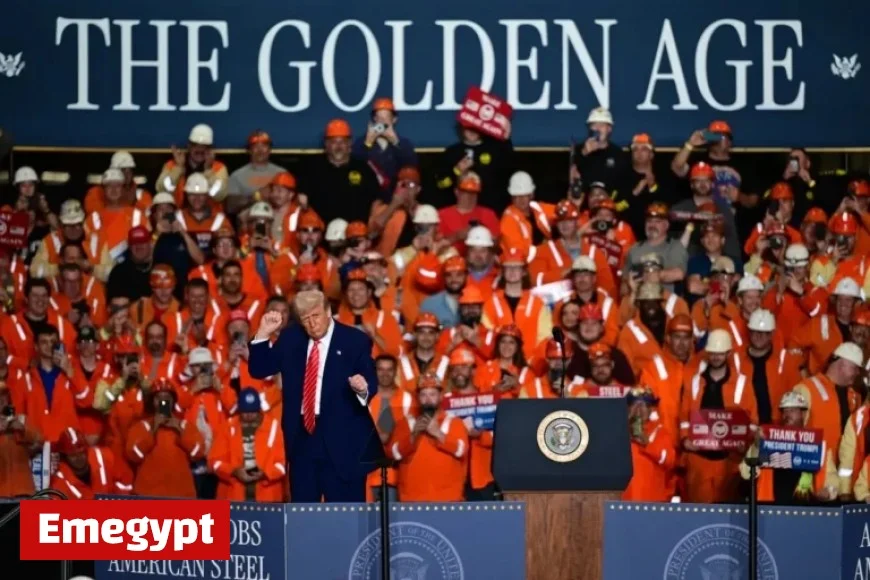
The American blue-collar job market is facing significant challenges, particularly during the ongoing shifts attributed to the era following Donald Trump’s presidency. As businesses, such as Amazon, implement massive layoffs, attention is drawn not just to white-collar workers but also to a quieter crisis impacting blue-collar employees across the nation.
Decline in Blue-Collar Jobs
Recent data from the U.S. Labor Department highlights a troubling trend. Despite an overall increase in hiring, blue-collar employment continues to suffer. Key industries classified under this category include manufacturing, mining, transportation, utilities, and construction. However, only the construction sector experienced job gains in September 2025.
- September 2025 Job Changes:
- Construction added 19,000 jobs.
- Transportation lost 25,300 jobs.
- Manufacturing shed 6,000 jobs.
Long-Term Trends
Year-over-year statistics reveal a concerning acceleration in annual payroll declines among blue-collar workers. Since January 2025, this trend has entered negative territory for the first time post-pandemic. Notably, between April and September, goods-producing industries lost a total of 72,000 jobs, with the bulk of losses occurring in manufacturing.
Expert Opinions on Job Market Dynamics
Economists express concerns regarding the current state of blue-collar employment. Heidi Shierholz, a former chief economist for the Department of Labor, has observed a clear deterioration in job conditions for these workers. She reported significant declines in goods-producing sectors, particularly highlighting the challenges in manufacturing.
David Dorn, a labor market expert, indicates that construction remains vulnerable to broader economic slowdowns. He also pointed out that current immigration policies are likely constraining labor supply. The uncertainty stemming from tariffs further complicates hiring in the manufacturing sector, as highlighted by Dean Baker from the Center for Economic and Policy Research. Businesses hesitate to invest amid unpredictable tariff conditions.
Factors Influencing Blue-Collar Employment
Multiple factors contribute to the decline in blue-collar jobs. These include:
- Increased automation in manufacturing.
- Offshoring trends affecting domestic job opportunities.
- Health care and education sectors absorbing labor demand.
Orley Ashenfelter, an economist, noted an intriguing paradox: manufacturing output has risen despite declining employment in the sector. This suggests improved productivity, albeit with fewer workers involved. Baker adds that the gradual decrease in manufacturing as a share of total employment has been a trend for over half a century.
The Future of Blue-Collar Jobs
The trajectory of blue-collar employment highlights the ongoing transformation faced by American workers. While there are efforts to revive interest in jobs traditionally seen as blue-collar, the reality of automation and global economic factors raises questions about the sustainability of these jobs. Addressing these issues remains a complex challenge for policymakers and industry leaders alike.