


















Trump’s Reshoring Efforts Falter as 59,000 Blue-Collar Jobs Vanish

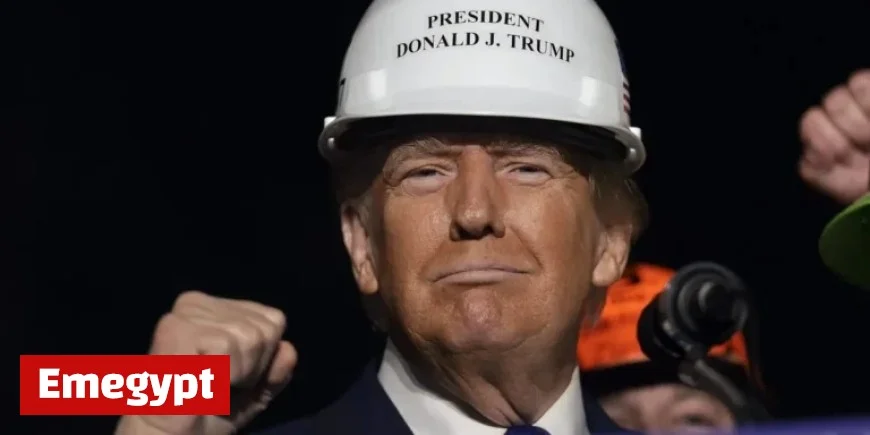
As President Donald Trump aimed to bolster American manufacturing through aggressive tariff policies, a disconcerting trend has emerged. Recent data reveals that the reshoring of blue-collar jobs, once promised as a result of these tariffs, is faltering.
Significant Job Losses in the Manufacturing Sector
The latest jobs report from the Bureau of Labor Statistics indicates a troubling decline in manufacturing roles. While nonfarm payrolls saw a boost of 119,000 jobs, the sector lost an additional 6,000 positions. This loss contributes to a grim total of 59,000 manufacturing jobs vanishing since Trump’s initial rhetoric on bringing jobs back in April.
- Nonfarm payrolls increased by 119,000.
- Manufacturing jobs decreased by 6,000.
- Total manufacturing jobs lost since April: 59,000.
Continued Manufacturing Decline
According to the Institute for Supply Management, this marks eight consecutive months of contracting manufacturing employment. Economic commentator Joseph Politano pointed out that the nation is witnessing its first loss of blue-collar jobs post-pandemic. The stagnant growth in construction and transportation further compounds this issue.
Impact of Tariff Policies
Experts, including Laura Ullrich from the Indeed Hiring Lab, argue that Trump’s tariff policies have inadvertently hampered domestic manufacturing growth. They suggest that these tariffs have generated uncertainty in the market. Firms are less willing to expand their workforce when confronted with unpredictable economic conditions.
Analysts from Pantheon Macroeconomics indicated that companies impacted by tariffs have attempted to control costs by limiting wage growth and trimming labor expenses. This hesitation has resulted in slower employment growth across the manufacturing sector.
Challenges for Employers and Workers
While the manufacturing job landscape shrinks, Ullrich points to a notable contradiction. Despite fewer available positions, there is still a demand for skilled workers in this sector. Many employers, like Ford, report having thousands of unfilled roles. A recent survey revealed that over 65% of manufacturing firms consider recruiting and retaining workers their top challenge.
- Ford has 5,000 unfulfilled mechanic positions.
- Salary for some of these roles exceeds $120,000.
- 65% of companies cite workforce recruitment as a major issue.
Future Prospects in Blue-Collar Jobs
Despite the current job losses, interest in manufacturing careers persists. Enrollment in trade schools has been on the rise, indicating that younger generations are still pursuing opportunities in this field. According to welding instructor Matt Scott, awareness among youth regarding the potential earnings in skilled trades is growing.
As the labor market continues to evolve, the mismatch between available jobs and the skills of applicants remains a crucial barrier. Addressing this gap will be vital for revitalizing the manufacturing sector and providing opportunities for future workers.