
















ICC Implements Secret Measures to Shield Court from US Sanctions, Say Officials

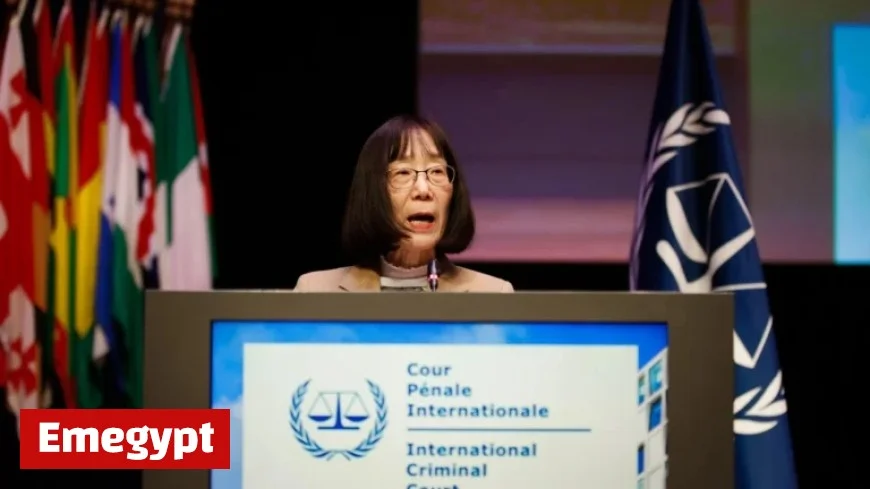
International Criminal Court (ICC) officials have announced measures to protect the court from potential US sanctions. These initiatives remain confidential to maintain their effectiveness. This declaration was made during the Assembly of States Parties (ASP) meeting in The Hague, which commenced on the first day of the event.
Context of the ICC’s Secret Measures
The ICC faces unprecedented challenges due to ongoing investigations into alleged war crimes by Israeli officials in Gaza and the occupied Palestinian territories. Since February, sanctions imposed by the Trump administration have included financial and visa restrictions targeting the court’s chief prosecutor, Karim Khan, along with two deputy prosecutors and six judges. These sanctions have significantly disrupted the lives of the nine ICC officials affected, impeding their travel and financial transactions, even within Europe.
Details of the Sanctions
- Individuals Affected:
- Karim Khan (Chief Prosecutor)
- Nazhat Shameem Khan (Deputy Prosecutor)
- Mame Mandiaye Niang (Deputy Prosecutor)
- Six Judges
- Sanction Mode:
- Financial sanctions
- Visa restrictions
- Impact:
- Disruption of daily lives
- Travel bans to the US
- Limited access to the global financial system
In response to these measures, ICC President Tomoko Akane highlighted the severe implications these sanctions have on their operations, stating that being listed alongside terrorists and drug traffickers has unsettled the lives of the affected officials.
Actions Taken by the ICC
To counter these sanctions, the ICC is implementing strategies aimed at maintaining operational integrity. Akane informed member states that many of these strategies remain confidential to ensure success. Deputy prosecutor Mame Mandiaye Niang expressed concern that the sanctions hinder the court’s ability to deliver justice, thereby putting victims at risk. Niang emphasized that the court has only grown more determined in its mission despite facing such pressure.
Technological Sovereignty Efforts
Deputy prosecutor Karim Khan indicated that the court is actively pursuing alternatives to major US tech companies, specifically seeking new options for its cloud services. The aim is to enhance the court’s technological independence while ensuring it continues its critical work.
International Support and Calls for Action
Since the imposition of sanctions, several organizations have urged the European Union (EU) to activate its Blocking Statute, a legal framework designed to protect European citizens and businesses from external sanctions. However, this has yet to be realized, prompting advocates to encourage prompt action from the EU.
- Key Advocates:
- Alexis Deswaef (President of the International Federation for Human Rights)
- Proposed Actions:
- Implement the Blocking Statute
- Establish an independent banking system from US financial networks
The ICC was established in 2002 as the world’s foremost permanent court, authorized to prosecute senior officials for international crimes. It is currently investigating numerous international situations, including those in Palestine, Ukraine, Afghanistan, Sudans, Libya, the Democratic Republic of the Congo, and the Philippines.