


















Libyan War Crimes Suspect Detained by International Criminal Court

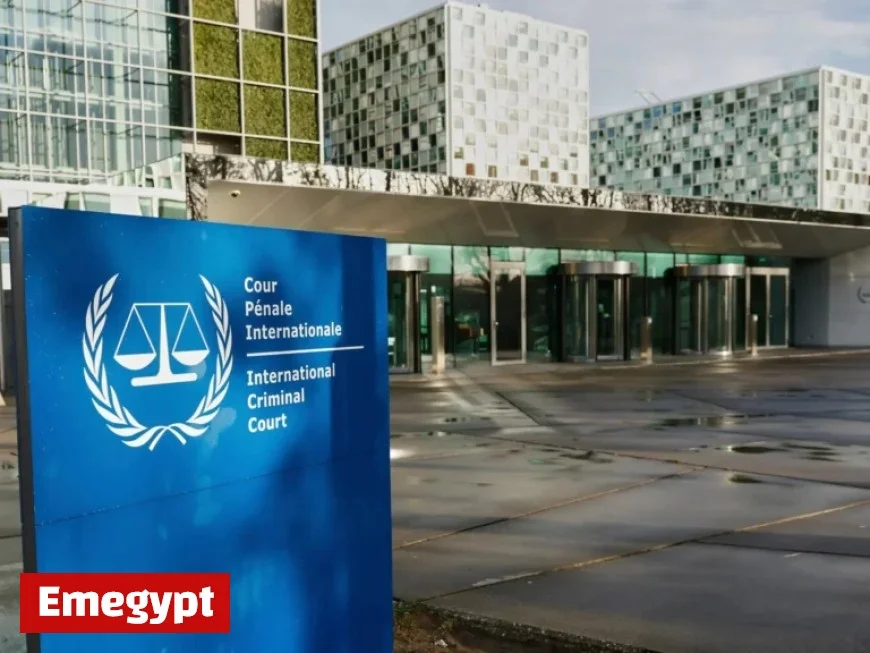
The International Criminal Court (ICC) has taken Khaled Mohamed Ali El Hishri into custody. El Hishri is wanted for serious crimes against humanity and war crimes committed at Mitiga Prison in Libya from 2015 to 2020.
Details of the Detention
El Hishri was surrendered to the ICC in The Hague, Netherlands, by German authorities on Monday. He had been arrested in Germany on July 16 this year. The ICC confirmed that El Hishri served as one of the senior officials at Mitiga Prison.
Allegations Against El Hishri
- Crimes against humanity
- War crimes
- Murder
- Torture
- Rape and sexual violence
These offenses are reported to have occurred from February 2015 until early 2020. The ICC has been investigating human rights violations in Libya since March 2011 after a request from the United Nations Security Council (UNSC).
Significance of the Case
This recent development in El Hishri’s case comes as the ICC aims to enhance accountability for crimes in Libya. The court’s deputy prosecutor, Nazhat Shameem Khan, briefed the UNSC on the renewed efforts for justice in Libya, emphasizing that past actions have hindered accountability.
Challenges Faced by the ICC
Khan highlighted that the ICC is encountering “unprecedented headwinds,” including intimidation of its officials. She pointed out the impact of these coercive actions on victims seeking justice for crimes such as murder and torture.
Current Status and Future Proceedings
Although Libya is not a signatory to the Rome Statute, it accepted the ICC’s jurisdiction from 2011 until 2027. El Hishri’s case is part of a larger investigation, where the ICC has nine other outstanding arrest warrants linked to similar crimes. This includes warrants for Saif Al-Islam Gaddafi and Osama Elmasry Njeem, the latter facing issues with extradition after his arrest in Italy.
Role of the ICC
Established in 2002, the ICC focuses on prosecuting individuals for serious crimes, including war crimes and crimes against humanity. The court’s effectiveness heavily depends on the cooperation of member states, as it operates independently from the United Nations.