
















Colorado Winter Driving: Mastering Snow and Ice in Mountain Terrain

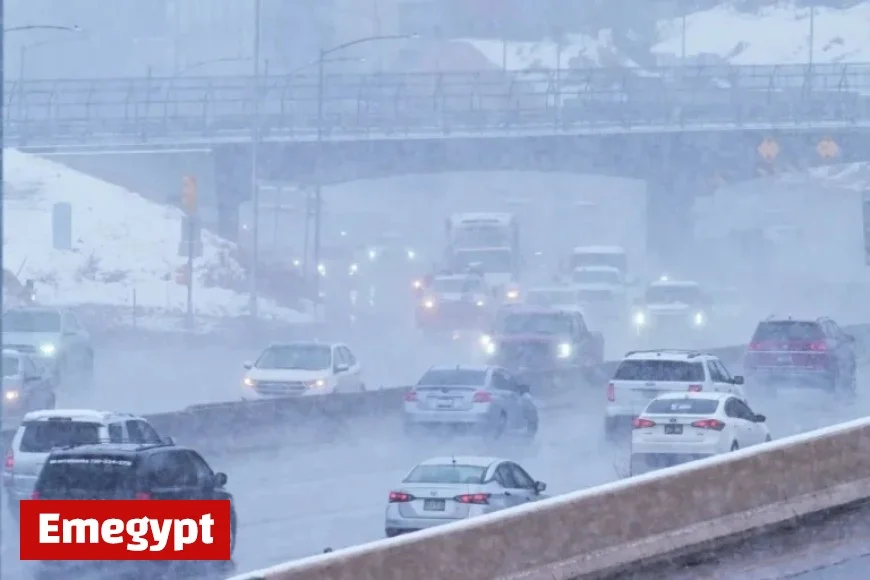
Winter driving in Colorado can be a thrilling yet perilous experience. As snow and ice blanket mountain roads, proper preparation is crucial for all drivers.
Understanding Colorado’s Winter Road Conditions
The Colorado Department of Transportation emphasizes that both residents and visitors must be cautious. From September to May, the state sees an influx of snow on its mountainous routes. This is when specific traction laws take effect. According to the Colorado State Patrol, there were over 20,000 road crashes reported during the winter months of 2024-2025. These incidents included 198 fatal accidents and more than 5,800 injuries.
Key Causes of Winter Crashes
Speeding remains a leading factor in winter accidents, increasing the likelihood of serious outcomes. In fact, driving too fast during severe weather conditions can elevate crash risk by approximately 150%. Col. Matthew Packard of the Colorado State Patrol advises drivers to adjust their speed according to road conditions and maintain a safe distance from other vehicles.
- Speeding
- Lane violations
- Distracted driving
- Following too closely
- Animal encounters
Winter Road Laws and Requirements
Colorado imposes strict winter driving regulations to ensure safety. Traction laws, active from September 1 to May 31, mandate that all vehicles must meet specific tire requirements. Motorists must equip their vehicles with:
- Tire chains for two or more drive tires
- An approved alternative traction device
- Tires rated for winter conditions with a minimum tread depth of 3/16 inches
For larger vehicles, those over 16,000 pounds or carrying 16 or more passengers, carrying chains is essential. Non-compliance can result in fines starting at $500, escalating to $1,000 if a vehicle becomes stuck and obstructs traffic.
Preparing for Winter Travel
Before embarking on mountain journeys, drivers should stock their vehicles with emergency supplies. Essential items include:
- Snow scraper or brush
- Flashlight and spare batteries
- Blankets or sleeping bags
- Water and nonperishable snacks
- First aid kit and necessary medications
- Tire chains and tow strap
- Jumper cables and reflectors
- Battery-powered radio
Driving Techniques in Snow and Ice
Drivers should modify their habits when traversing icy terrains. Recommendations include:
- Reducing speed and increasing following distance
- Avoiding cruise control in slippery conditions
- Only accelerating, turning, or braking—not combining these actions
When descending hills, shifting to a lower gear can help maintain traction. Conversely, while ascending, maintaining momentum is key to avoid getting stuck.
Safety Around Large Vehicles
Small vehicles must exercise caution around large trucks. It is important to:
- Stay out of large blind spots
- Drive defensively
- Allow ample space for larger vehicles to maneuver
Handling Skids on Icy Roads
If skidding occurs, understanding the type is vital. In a rear-wheel skid, counter-steering can help regain control. In contrast, a front-wheel skid demands that drivers refrain from oversteering and maintain a steady wheel position. Drivers with anti-lock brakes should ease off both the brake and accelerator.
Ultimately, staying informed and prepared is essential for safe winter travel in Colorado’s mountainous regions. By adhering to local laws and employing safe driving techniques, motorists can navigate snowy roads with confidence.