


















Suspected Bluetongue Detected in 44 Cattle on Affected Farm by DAERA

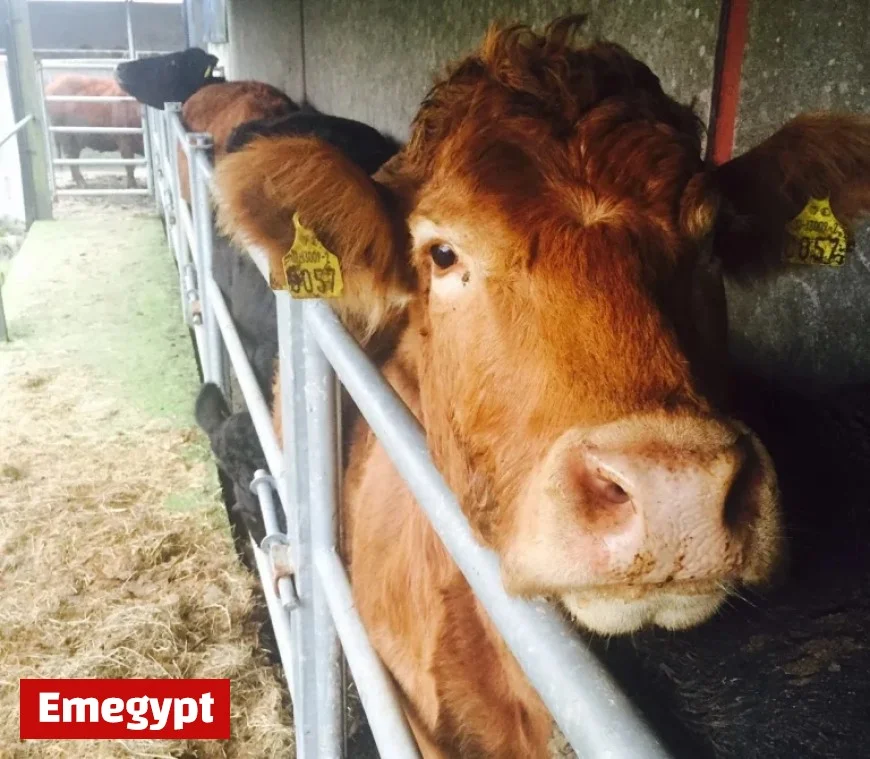
Recent testing results from a cattle herd in County Down have revealed the suspected presence of the Bluetongue virus in 44 additional cattle. This follows two confirmed cases of BTV-3 in the herd located near Bangor. Northern Ireland’s Minister for Agriculture, Environment and Rural Affairs, Andrew Muir, expressed disappointment over these preliminary results.
Further Testing and Control Measures
Plans are underway for additional testing on other farms within a 20-kilometer temporary control zone (TCZ) established on November 29. While Bluetongue does not pose a threat to human health or food safety, it is a significant concern for livestock, particularly ruminants such as cattle, sheep, and goats. Minister Muir emphasized the high biosecurity standards of the affected farm while acknowledging the challenges faced by the farming community.
Importance of Biosecurity
“The results of this preliminary testing are undoubtedly a blow for the owners and staff at the farm,” Muir stated. He highlighted the importance of maintaining biosecurity following the confirmation of the virus and mentioned that the agri-food sector in Northern Ireland had enjoyed a Bluetongue-free status until now.
Transmission and Surveillance
Bluetongue is predominantly spread by biting midges, which are most active from April to November. Recent surveillance indicated the presence of midges in the area, escalating concerns regarding the potential for further infection. Chief Veterinary Officer Brian Dooher reiterated the necessity of urgent surveillance testing of herds within the TCZ to prevent any possible spread from the affected farm.
Collaboration and Ongoing Efforts
Minister Muir has communicated with his counterpart in the Republic of Ireland, Martin Heydon, regarding the situation and the measures being implemented. The Department of Agriculture, Environment and Rural Affairs (DAERA) is collaborating with the Ulster Farmers Union (UFU) and other industry stakeholders to monitor the situation effectively.
- Key Points:
- 44 additional cattle suspected of Bluetongue infection.
- Temporary control zone established on November 29.
- No threat to human health or food safety.
- Biting midges identified in the locality.
Recommendations for Farmers
Farmers in the temporary control zone are urged to adhere strictly to the established restrictions. Dooher advised farmers to remain vigilant for any signs of the virus in their livestock and to contact local veterinary offices or DAERA helplines with any concerns.
As testing continues, the cooperation between farmers and DAERA will be crucial in mitigating the risks associated with this outbreak.