

















Over 40 Suspected Cases of Bluetongue Virus Emerge in Northern Ireland

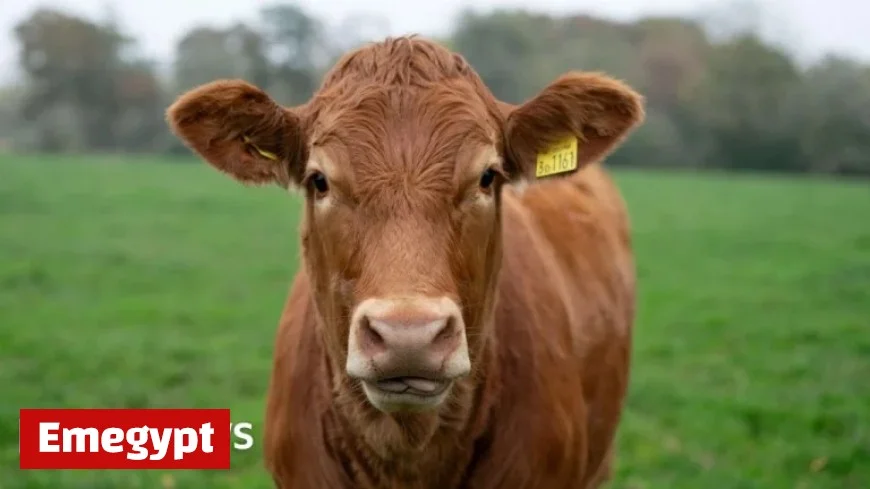
Recent findings indicate a surge in suspected bluetongue virus (BTV) cases in Northern Ireland, leading to heightened concerns within the agricultural community. A total of 44 suspected cases have emerged from a herd at the Clandeboye Estate in County Down, the site of the first outbreak on the island.
Details of the Outbreak
The initial outbreak was identified over the weekend when two cows tested positive during standard checks at an abattoir. Following further testing, these positive results have been confirmed. The Department of Agriculture, Environment and Rural Affairs (Daera) is coordinating measures to address the situation.
Understanding Bluetongue Virus
- Bluetongue is spread by biting midges.
- The virus primarily affects cloven-hoofed animals such as sheep and cattle.
- There is no risk to public health or food safety associated with the virus.
Despite the absence of symptoms in the Clandeboye herd, the situation has prompted immediate action. A 20km temporary control zone has been established around the affected area to monitor and contain any potential spread of the disease.
Government Response
Andrew Muir, the Daera minister, acknowledged the situation’s impact on local farmers, branding the findings as “undoubtedly a blow.” He emphasized ongoing communication with the Irish government and said measures are in place to assess further infection risk among livestock outside the initial holding.
Dr. David Kyle, Daera’s deputy chief veterinary officer, raised alarms regarding the infections, stating that the number of affected animals is concerning. Surveillance efforts to track midges and additional testing are underway.
Impact on the Agricultural Sector
The farming community faces significant anxiety as the first bluetongue outbreak in Northern Ireland threatens its previously unblemished record. Locally, the Saintfield Livestock Market in Ballynahinch has been closed due to its location within the control zone. Furthermore, vaccinating livestock against bluetongue—a measure previously unavailable in Northern Ireland—will now align local farmers with national standards.
Future Monitoring and Actions
The Agri-Food and Biosciences Institute (AFBI) is actively trapping and monitoring midges across Northern Ireland to evaluate population dynamics, which will help assess the potential for further virus spread. Confirmation testing is also being conducted in laboratories in Germany and England to solidify findings.
This developing situation underscores the need for vigilance in monitoring animal health and sustaining biosecurity measures across Northern Ireland’s agricultural landscape.