















Scott Bessent Criticizes ‘Amorphous’ Giving Pledge Amid Billionaire Panic

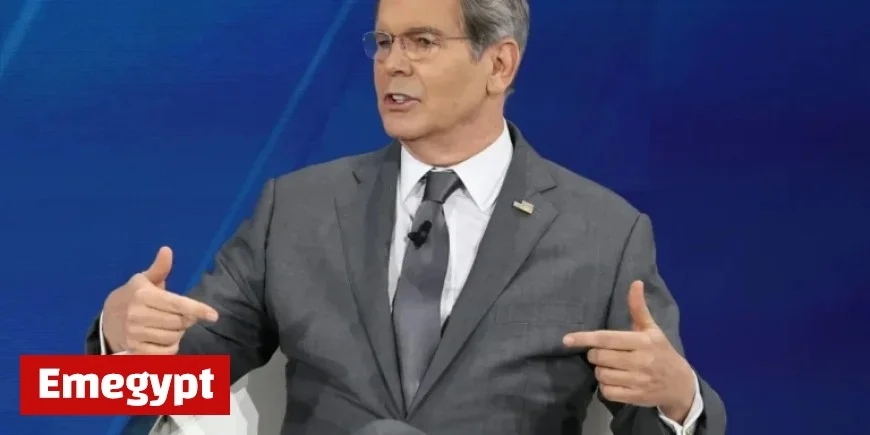
During the recent DealBook Summit, Treasury Secretary Scott Bessent raised concerns about the Giving Pledge, labeling it as “very amorphous.” He contrasted this criticism with praise for a significant donation by Michael and Susan Dell, who contributed $6.25 billion to fund “Trump Accounts” for children.
Bessent’s Perspective on Philanthropy
Bessent, who has had a distinguished career in finance, drew parallels between current philanthropy trends and practices during the 2008 Global Financial Crisis (GFC). He noted that back then, billionaires felt panicked and created the Giving Pledge in response to public pressure.
Despite acknowledging the well-meaning nature of the Giving Pledge, Bessent emphasized that the Trump Accounts initiative provides a more measurable impact. He described this new program as a way to cultivate a “shareholder economy,” where Americans can have a real stake in the economic system.
Details of the Trump Accounts Program
The Trump Accounts will ensure that every child born in the U.S. over the next five years receives a $1,000 account. This fund will be invested in the S&P 500 and will not be accessible until the child reaches 18. This approach allows young individuals to witness the growth benefits of compounded interest.
- Investment Vehicle: $1,000 per child invested for growth.
- Access: Funds unavailable until age 18.
- Financial Literacy: Educational resources provided by the Treasury.
Bessent highlighted that the Dell’s gift stands out because it is being applied retroactively, providing about $250 for each child born over the last decade. He believes that initiatives like this can help more Americans feel connected to the economic system.
Addressing Economic Disparities
Bessent also discussed the societal implications of many Americans lacking a stake in the capitalist framework. He referenced a growing sentiment among young people, especially millennials, who increasingly favor socialism over capitalism, indicating a disconnect within the system.
Concerns were echoed by other notable figures, including Peter Thiel, who warned that without a stake in capitalism, individuals may turn against it. Similarly, Albert Edwards from Société Générale highlighted the dangers of economic inequality and the political ramifications that could arise from corporate excess.
Looking Ahead
Bessent remains optimistic about the future of the Trump Accounts initiative. He anticipates an “incredible outpouring” of financial support from the wealthy, indicating considerable goodwill among billionaires willing to contribute to American children’s welfare.
In conclusion, Bessent believes the Trump Accounts represent a crucial development in philanthropy, fostering a sense of ownership in the American dream among younger generations. As wealthy individuals like the Dells lead the way, the hope is that others will follow suit, significantly impacting local communities, including school districts.