

















Trump Administration Seeks to Reverse Biden’s Fuel Economy Standards

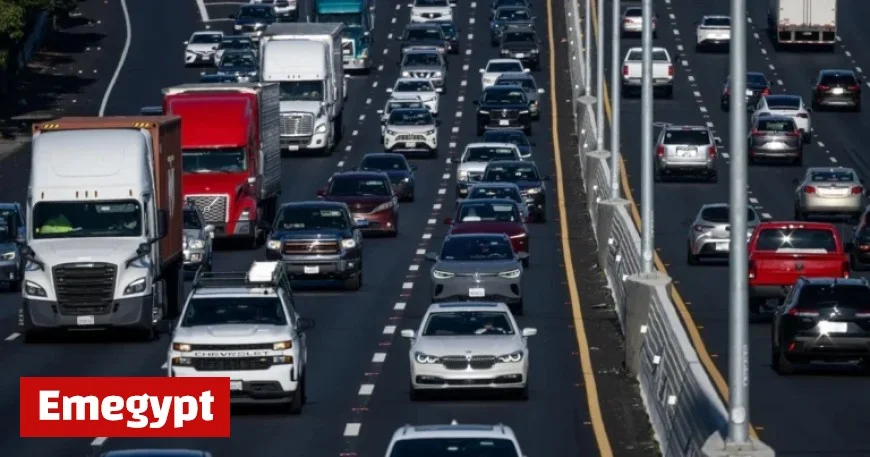
The Trump administration is taking steps to alter fuel economy standards for vehicles, aiming to reverse regulations introduced during the Biden presidency. Announced during a White House event, this proposal seeks to loosen the mileage requirements that automakers must meet. The plan is under the oversight of the National Highway Traffic Safety Administration (NHTSA) and involves changes to the Corporate Average Fuel Economy (CAFE) standards.
Overview of the New Fuel Economy Standards
These standards, originally enacted by Congress in 1975, dictate the fuel efficiency of vehicles. They cover light-duty vehicles as well as medium- and heavy-duty trucks. The primary objectives of these regulations are to lower greenhouse gas emissions and help consumers reduce fuel expenses.
Key Changes Proposed
- The average fuel economy required for light-duty vehicles would be set at approximately 34.5 miles per gallon through the 2031 model year.
- This is significantly lower than the 50 miles per gallon standard set by the Biden administration.
- The proposal is aimed at making high-quality cars more affordable for families.
Statements from Officials
President Trump highlighted that the new standards would benefit families by enabling them to afford better vehicles. Transportation Secretary Sean Duffy echoed this sentiment, stating that the previous regulations drove up the costs of cars and were impractical for automakers.
In January, Duffy directed the NHTSA to reassess the CAFE standards. This proposal follows a significant rule established in June 2024, designed to increase minimum gas mileage for passenger cars and light trucks.
Industry Reactions
- Stellantis CEO Antonio Filosa stated that the new rules align with market conditions and support a growing U.S. automotive industry.
- General Motors representatives expressed support for the proposal, emphasizing the need for a unified national standard that enhances customer choice and industry stability.
Potential Impacts of the Proposal
If implemented, the rollback of these fuel economy standards could have significant implications. Critics, including the Center for Biological Diversity, argue that it may increase oil consumption and hinder the competitive edge of U.S. auto manufacturers against foreign companies, particularly in the green technology sector.
Concerns also remain regarding the environmental impact, as increased fuel consumption from vehicles contributes to carbon emissions linked to climate change.
The proposed changes require a formal rulemaking process before becoming official. As discussions continue, the focus will be on the balance between consumer affordability and environmental responsibility in the automotive industry.